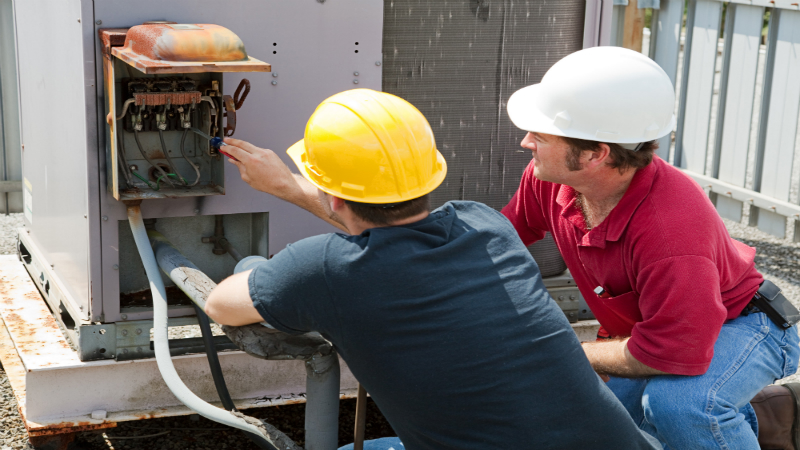
In today’s world, maximizing energy efficiency is more than just a trend—it’s a necessity for both homeowners and industry leaders. Whether you’re looking to lower your energy bills or reduce your facility’s carbon footprint, innovative solutions are making a significant impact. One of the most effective technologies for achieving these goals is Heat Exchangers, a topic that has garnered increased interest from those seeking practical ways to save energy and money.
The Role of Heat Exchangers in Energy Conservation
Heat exchangers are devices designed to efficiently transfer heat from one medium to another without mixing them. This process is fundamental in both residential and industrial settings, where controlling temperature is crucial for comfort, safety, and operational efficiency. By capturing waste heat and redirecting it to where it’s needed, these systems can significantly reduce unnecessary energy consumption.
Heat Exchangers in American Homes
In American homes, heating and cooling account for a substantial portion of energy use. Heat exchangers play a pivotal role in modern HVAC systems, water heaters, and even in appliances like clothes dryers. Here’s how they contribute to better energy efficiency:
- Efficient Heating and Cooling: By transferring heat between indoor and outdoor air, heat exchangers help maintain comfortable temperatures with less energy input. This results in lower utility bills and reduced strain on heating and cooling equipment.
- Heat Recovery Ventilation: Some systems capture heat from outgoing air and use it to warm incoming fresh air. This not only conserves energy but also improves indoor air quality without significant heat loss.
- Water Heating: In tankless water heaters, heat exchangers rapidly heat water on demand, minimizing standby energy losses common in traditional tank systems.
Industrial Applications: Boosting Operational Efficiency
Industrial processes often generate substantial amounts of waste heat. Instead of letting this energy dissipate, heat exchangers can recover and reuse it, leading to significant energy savings. Key applications include:
- Process Heating and Cooling: Many manufacturing plants use heat exchangers to transfer heat between fluids, optimizing operations and reducing fuel consumption.
- Power Generation: In power plants, heat exchangers are essential for converting waste heat into usable energy, improving overall plant efficiency.
- Chemical Processing: These systems help maintain optimal reaction temperatures, enhancing both safety and product yield while reducing energy requirements.
Environmental and Economic Benefits
The widespread adoption of heat exchangers yields both environmental and financial advantages. Some of the most notable benefits are:
- Lower Greenhouse Gas Emissions: By reducing the amount of energy needed for heating and cooling, these systems help decrease carbon dioxide emissions.
- Reduced Operating Costs: Both homeowners and businesses can see noticeable reductions in energy expenses, leading to long-term savings.
- Extended Equipment Lifespan: Efficient heat management reduces wear and tear on HVAC systems and industrial machinery, lowering maintenance costs and extending operational life.
Embracing Energy Efficiency with Heat Exchangers
Integrating heat exchangers into American homes and industrial systems is a practical strategy for enhancing energy efficiency. From lowering utility bills to supporting sustainability goals, these devices offer a host of advantages that benefit both individuals and communities. As energy costs continue to rise and environmental concerns grow, leveraging the capabilities of heat exchangers stands out as a smart, impactful solution for a more energy-conscious future.