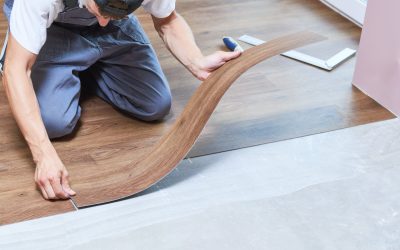
Tile flooring is one of the most durable and visually versatile options for residential spaces, but its performance depends heavily on how it is installed. While tile may appear straightforward, improper installation can lead to costly and frustrating problems over time. This is why many homeowners choose to work with a tile flooring contractor rather than attempting installation on their own or relying on inexperienced labor.
For homeowners in Peoria, AZ, understanding common tile installation mistakes can help clarify the value a professional flooring company contractor brings to a project.
Improper Subfloor Preparation
One of the most common—and most damaging—tile installation mistakes begins before any tile is laid. Tile requires a stable, flat, and properly prepared subfloor. Skipping this step or rushing it can cause tiles to crack, grout lines to fail, or surfaces to feel uneven underfoot.
A professional tile flooring contractor evaluates:
- Subfloor flatness and structural integrity
- Moisture levels, especially over concrete slabs
- Existing flooring removal requirements
- Appropriate underlayment or backer board needs
Without this evaluation, even high-quality tile can fail prematurely. Subfloor preparation is not visible once the job is complete, but it is one of the most critical steps for long-term success.
Incorrect Tile Layout and Planning
Tile layout affects both appearance and performance. Homeowners often underestimate how much planning is required to avoid awkward cuts, uneven spacing, or visual imbalance.
Common layout mistakes include:
- Narrow tile slivers along walls or cabinets
- Misaligned grout lines between rooms
- Poor centering in visible areas
- Inconsistent spacing around fixtures
A flooring company contractor plans tile layout before installation begins. This includes dry fitting, establishing reference lines, and adjusting placement to ensure symmetry and balance. Proper layout planning results in a cleaner, more professional finish that holds up visually over time.
Using the Wrong Mortar or Adhesive
Different tile types require different bonding materials. Using the wrong mortar can cause tiles to loosen, shift, or crack as the floor expands and contracts.
A tile flooring contractor selects materials based on:
- Tile size and weight
- Subfloor type (wood, concrete, or existing tile)
- Indoor vs. moisture-prone environments
- Environmental conditions such as temperature and humidity
Homeowners who are unfamiliar with these factors may unknowingly choose adhesives that are incompatible with their tile or subfloor, leading to avoidable failures.
Inconsistent Grout Lines and Joint Spacing
Grout lines serve both functional and aesthetic purposes. Inconsistent spacing can weaken the installation and detract from the finished look. Tiles installed too tightly may crack, while overly wide or uneven grout lines can collect dirt and moisture.
Professional installers use spacers and leveling systems to maintain uniform spacing. They also account for movement joints where necessary, allowing the floor to expand and contract naturally without damage.
Poor Cutting Techniques
Tile cutting requires precision and proper tools. Inaccurate cuts around doorways, cabinets, plumbing fixtures, or corners can result in visible gaps or chipped edges.
A professional flooring company contractor uses specialized cutting equipment and techniques to:
- Achieve clean edges
- Maintain consistent grout spacing
- Fit tiles accurately around obstacles
- Reduce material waste
These details significantly impact the final appearance of the floor and are difficult to correct after installation.
Ignoring Expansion and Movement Needs
Tile is rigid, but the structures beneath it move over time. Temperature changes, settling, and humidity can all cause minor shifts. Without proper expansion gaps or movement joints, tile floors are more likely to crack or tent.
A tile flooring contractor plans for movement by:
- Leaving appropriate perimeter gaps
- Installing transition joints between rooms
- Accounting for structural breaks and long spans
These measures help ensure the floor remains intact as conditions change.
Inadequate Grout and Sealing Practices
Grout selection and application are often overlooked. Using the wrong grout type or failing to seal it properly can lead to staining, cracking, or moisture infiltration.
Professionals evaluate:
- Grout type (sanded, unsanded, or specialty)
- Joint width requirements
- Sealing needs based on tile and grout material
Proper grout work protects the installation and simplifies long-term maintenance.
Why Professional Installation Reduces Long-Term Costs
Many homeowners search for an affordable flooring contractor with the goal of managing costs. However, affordability often comes from doing the job correctly the first time rather than repairing mistakes later.
Avoiding reinstallation, cracked tiles, water damage, or uneven surfaces can save significant time and expense. Working with a qualified tile flooring contractor helps ensure durability and performance from the start.
Getting the Right Results from the Start
Tile flooring offers long-lasting value when installed properly. Understanding the most common mistakes highlights why professional installation matters, especially in high-use areas such as kitchens, bathrooms, and entryways.
Homeowners planning a tile project in Peoria can benefit from reviewing reliable tile installation resources before beginning. Clear planning, proper materials, and experienced installation all contribute to a finished floor that performs well and maintains its appearance for years.
Tile Installation Done the Right Way
Tile installation is a technical process that rewards precision and preparation. From subfloor evaluation to final grout sealing, each step plays a role in the floor’s longevity and function.
By working with a flooring company contractor who understands these details, homeowners can avoid common pitfalls and enjoy a tile floor that supports both daily use and long-term value.