Steel window and door systems are considered a premium building investment because the material allows slimmer frames, stronger structural support, and longer service life than most residential alternatives. For homeowners comparing frame materials, the appeal of Luxury Steel Windows And Doors comes down to a mix of architectural flexibility, security, and resistance to warping over time.
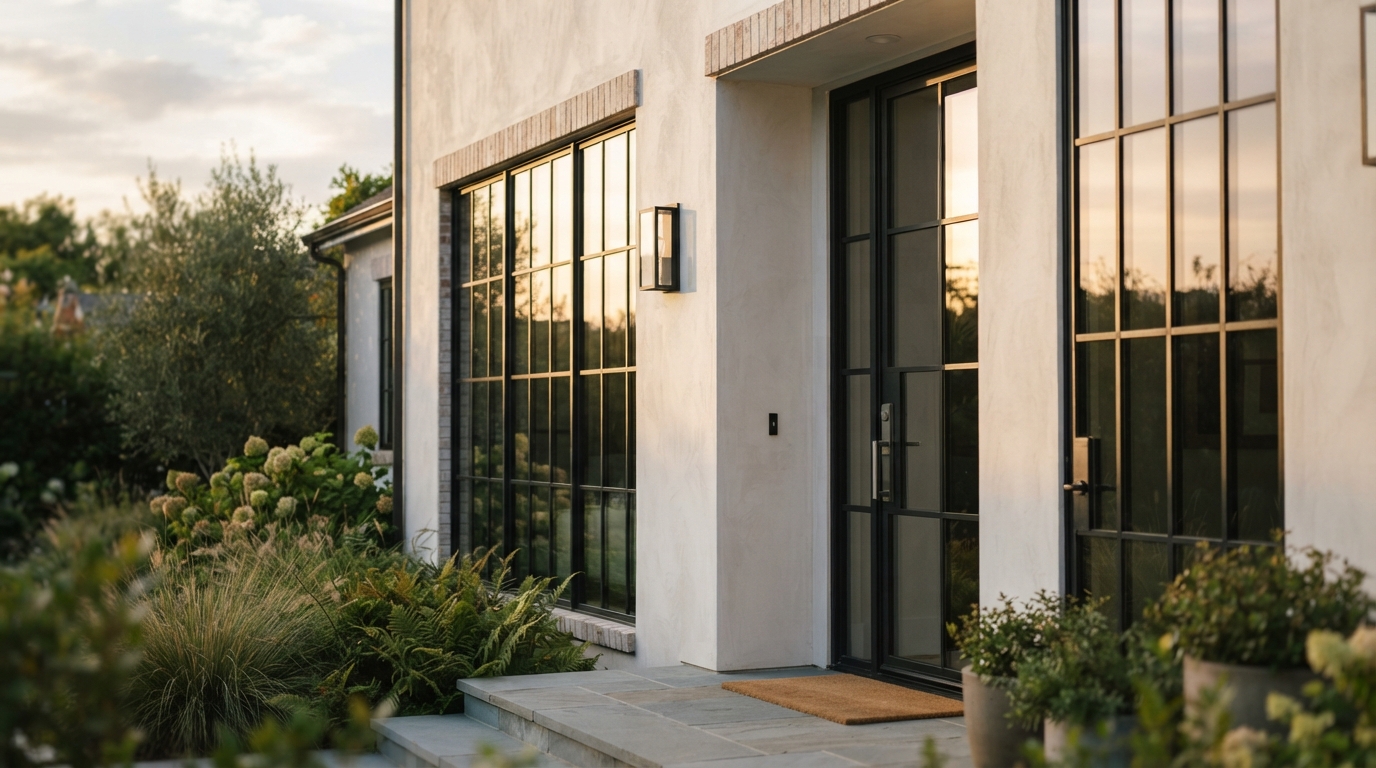
Steel’s strength-to-width ratio is what separates it from vinyl, wood, or standard aluminum. A steel frame can hold larger glass panels with thinner sightlines, which is why architects and designers often specify it for floor-to-ceiling windows, large sliding doors, or statement entryways.
Why Steel Outperforms Other Frame Materials
Steel has a structural advantage that directly affects design options and durability.
• Strength : Steel supports larger glass spans with narrower frames than wood or vinyl.
• Longevity : Properly treated steel resists warping, swelling, and cracking associated with wood over decades of use.
• Security : Dense steel framing adds resistance to forced entry compared to lighter-weight materials.
• Design range : Slim profiles allow for more glass area and modern or historic-style detailing alike.
Manufacturing quality affects how well these advantages hold up. Custom steel systems built with a zinc-bonded galvanizing process and recycled steel content are designed to resist corrosion while supporting sustainability goals tied to material sourcing.
Thermal Performance and Energy Considerations
A common misconception is that steel framing sacrifices energy efficiency for strength. Thermally broken steel frames interrupt direct heat transfer through the metal, and when paired with low-e glass, they help regulate indoor temperature across seasons.
Federal energy guidance supports this approach at the product category level. According to a Department of Energy-affiliated resource guide, ENERGY STAR-rated windows can lower utility costs by roughly 6 percent to 13 percent compared to standard windows while improving thermal comfort. Verifying that a steel window or door system meets ENERGY STAR or equivalent NFRC performance ratings is a practical step before purchase, particularly in climates with wide seasonal temperature swings.
Certification, Craftsmanship, and What to Verify
Not all steel window and door products are manufactured to the same standard, so certification and build process matter as much as the material itself.
|
Factor |
What to Check |
Why It Matters |
|
Testing standards |
ASTM, NFRC, AAMA compliance |
Confirms performance under real-world conditions |
|
Frame construction |
Thermally broken vs. non-broken |
Affects energy loss and condensation risk |
|
Finish process |
Zinc-bonded galvanizing or equivalent |
Impacts corrosion resistance over time |
|
Fabrication |
Made-to-order vs. mass-produced |
Influences fit, custom sizing, and design flexibility |
Custom steel doors and windows built to order allow for specific sizing and design detail that stock units cannot match, which is one reason many architectural and historical restoration projects across the USA specify steel over other framing materials. Confirming third-party testing and warranty terms before purchase remains a practical safeguard regardless of manufacturer.
Frequently Asked Questions
Are steel windows and doors more expensive than vinyl or wood? Steel systems typically carry a higher upfront cost due to material and fabrication complexity, though the longer service life and reduced maintenance can offset that cost over time.
Can steel-framed windows be used in both historic and modern homes? Yes. Slim steel profiles are used in both historic restoration projects and contemporary builds because the frame width can be adjusted without compromising structural strength.
Do steel windows require special maintenance? Steel frames finished with galvanizing or protective coatings generally need periodic cleaning and inspection for coating wear, similar to other exterior-grade materials.
How do I know if a steel window or door meets energy performance standards? Check for NFRC labeling and ENERGY STAR certification, which indicate the product has been independently tested for U-factor and solar heat gain performance.
Custom steel door and window manufacturing, including thermally broken frame systems and zinc-bonded galvanized finishes, is listed among the services detailed by Portella’s Steel Doors and Windows.