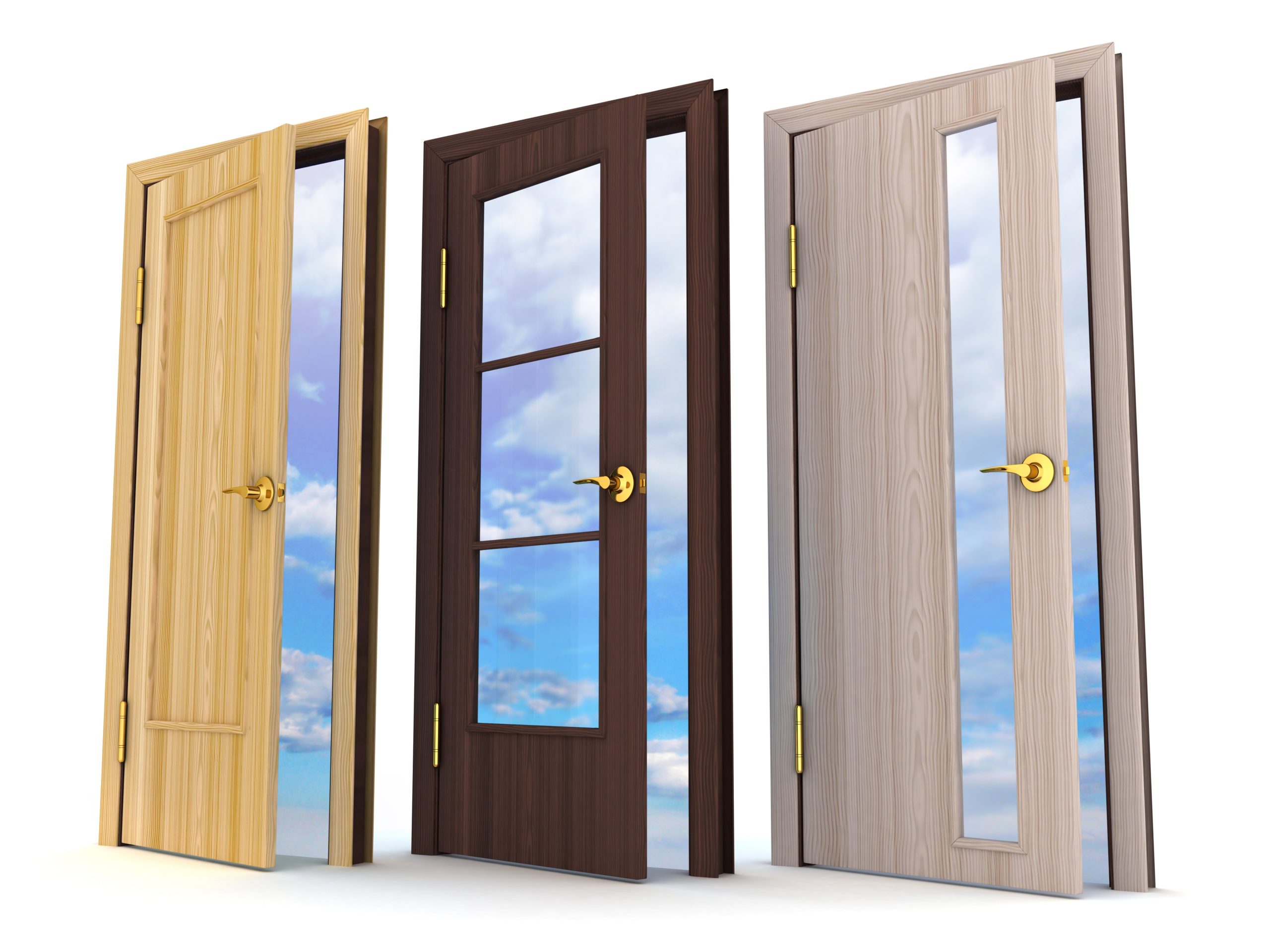
Wood grain is one of the most distinctive features of handcrafted wood doors, contributing both visual character and architectural value. The natural patterns found in solid wood custom doors create depth, movement, and individuality that help transform an entryway from a functional feature into a focal point of the home.
For centuries, architects, builders, and homeowners have valued wood for its natural beauty and versatility. Unlike manufactured materials that often rely on artificial textures, real wood showcases unique grain formations that cannot be replicated. These organic patterns continue to play a major role in the popularity of custom wood doors across a wide range of architectural styles.
What Is Wood Grain and Why Does It Matter?
Wood grain refers to the natural arrangement of fibers within a piece of lumber. As a tree grows, it develops patterns that become visible when the wood is cut and finished. These patterns vary depending on species, growth conditions, age, and cutting methods.
Because every tree develops differently, no two pieces of wood are exactly alike. This uniqueness is one of the primary reasons homeowners choose handcrafted wood doors over more standardized alternatives.
Wood grain contributes to a door’s overall appearance by adding texture, depth, and visual movement. In many cases, the grain pattern becomes one of the most noticeable design elements of the finished product.
How Do Grain Patterns Influence Door Design?
Wood grain plays an important role in shaping the personality of a door.
Some grain patterns create a bold and dramatic appearance, while others produce a softer and more refined look. Designers often consider grain characteristics when selecting materials for custom projects because the pattern can influence the overall style of the entrance.
For example, highly figured wood with pronounced grain movement may become the focal point of a contemporary design. In contrast, straighter grain patterns may support a more minimalist architectural aesthetic.
The ability to showcase these natural variations is one reason custom wood doors remain a popular choice in luxury residential design.
Which Wood Species Produce Distinctive Grain Patterns?
Different wood species offer unique grain characteristics that contribute to their visual appeal.
Mahogany
Mahogany is known for its relatively straight grain and rich color variations. Its elegant appearance makes it a popular material for high-end entry doors and traditional architectural styles.
Walnut
Walnut often features flowing grain patterns and deep color tones that create a sophisticated appearance. The natural variation found in walnut can add depth and visual interest to custom projects.
Knotty Alder
Knotty alder is valued for its rustic charm and distinctive knots. Its natural character makes it particularly appealing in Southwestern, rustic, and transitional home designs.
White Oak
White oak frequently displays strong grain definition and texture. Its durability and visual appeal have made it a favorite for both traditional and contemporary architectural applications.
The grain characteristics of each species influence how the finished door interacts with surrounding architectural elements.
Why Are Handcrafted Wood Doors Ideal for Showcasing Grain?
Craftsmanship plays a significant role in highlighting the natural beauty of wood grain.
Handcrafted wood doors are often designed with careful attention to board selection, grain matching, and panel layout. These techniques help create visual continuity while emphasizing the unique characteristics of the material.
Artisans may strategically position grain patterns to enhance symmetry, draw attention to architectural details, or create a specific design effect. This level of customization allows homeowners to maximize the natural beauty of the wood.
Many homeowners researching a reputable custom door company are interested in how craftsmanship can elevate the appearance of natural wood through thoughtful design and construction.
How Do Finishes Affect Wood Grain Appearance?
The finish applied to a door can significantly influence how grain patterns are perceived.
Transparent stains often enhance grain visibility by highlighting natural variations in texture and color. Darker stains can increase contrast, while lighter finishes may create a softer and more contemporary appearance.
Some finishes emphasize dramatic grain movement, while others create a more uniform aesthetic. The choice of finish depends on the homeowner’s design goals and the architectural style of the property.
Protective finishes also help preserve the appearance of the wood while allowing its natural characteristics to remain visible over time.
How Does Wood Grain Complement Different Architectural Styles?
One of the advantages of custom wood doors is their ability to work across a variety of architectural styles.
Contemporary Homes
Modern architecture often uses wood grain to introduce warmth into spaces dominated by glass, steel, and concrete. Bold grain patterns can create visual contrast while maintaining a clean overall design.
Traditional Homes
Traditional architecture frequently incorporates wood species with refined grain patterns that contribute to a sense of elegance and craftsmanship.
Southwestern and Rustic Designs
Homes influenced by Southwestern or rustic aesthetics often embrace more pronounced grain movement, knots, and natural imperfections that reinforce authenticity and character.
Transitional Architecture
Transitional homes blend traditional and contemporary elements, making wood grain an effective tool for bridging different design influences.
The adaptability of wood grain helps ensure its continued relevance across changing architectural trends.
Why Do Natural Materials Remain Popular in Residential Design?
Natural materials continue to appeal to homeowners because they provide authenticity and visual depth.
Unlike synthetic alternatives, wood evolves over time and reflects the natural characteristics of its source material. This organic quality contributes to a sense of permanence and connection to craftsmanship that many homeowners find desirable.
As residential design increasingly emphasizes personalization and individuality, natural wood remains a preferred material for architectural features that are intended to stand out.
Custom wood doors exemplify this trend by allowing homeowners to incorporate one-of-a-kind grain patterns into highly visible areas of the home.
The Lasting Impact of Rich Wood Grain in Door Design
Rich wood grain patterns remain one of the most compelling reasons homeowners choose handcrafted wood doors and solid wood custom doors. These natural variations create visual interest, reinforce architectural character, and contribute to the uniqueness of every project.
Whether featured in contemporary, traditional, transitional, or rustic homes, wood grain continues to play an essential role in custom door design. By combining natural beauty with skilled craftsmanship, custom wood doors offer a timeless architectural element that enhances both curb appeal and long-term design value.
For homeowners seeking distinctive architectural features, the beauty of natural wood grain remains one of the most enduring and influential aspects of custom door design.