Takeaway:
- Routine pumping removes sludge and scum before they can clog pipes or damage the drain field.
- Most residential tanks need pumping every three to five years, though household size and usage affect the exact schedule.
- Skipping service increases the risk of backups, odors, and costly drain field repairs.
Septic pumping removes accumulated solids from a tank before they overflow into the drain field, and most homes need the service performed every three to five years to keep the system working properly. Property owners searching for a dependable Septic Pumping Service Wendell NC are typically trying to avoid backups, slow drains, or the far more expensive problem of a failed drain field. Understanding how pumping works, and why it cannot be skipped, helps homeowners budget for maintenance before small warning signs become major repairs.
How Septic Pumping Protects the Whole System
A septic tank separates solid waste from wastewater, letting liquids flow out to the drain field while sludge settles at the bottom and scum floats on top. Over time, these layers build up and reduce the tank’s working capacity.
- Excess sludge can escape into the drain field, clogging the soil and shortening its lifespan.
- A clogged drain field is often far more expensive to repair or replace than the tank itself.
- Regular pumping keeps the separation process working as designed, protecting both the tank and the surrounding soil absorption area.
According to the EPA’s guidance on caring for septic systems, maintenance depends on a few consistent factors, including tank size, household size, and the volume of wastewater generated. The agency notes that solids pushed into the drainfield can clog pipes and thicken the biomat that lines the trenches, which is one of the clearest arguments for staying ahead of a pumping schedule rather than waiting for visible problems.
Recognizing When a Tank Needs Service
Waiting for obvious symptoms usually means the tank has already reached a problem point. Common indicators include:
1. Slow-draining sinks, tubs, or toilets throughout the house.
2. Gurgling sounds in plumbing fixtures.
3. Standing water or unusually lush, green patches over the drain field.
4. Sewage odors near the tank lid or in the yard.
5. Sewage backing up into the lowest drains in the home.
The EPA recommends inspecting the entire system every one to three years and pumping the tank every three to five years, though actual frequency depends on tank size, household occupancy, and water use habits.
Typical Pumping Schedules by Household Size
Pumping frequency is not one-size-fits-all. The comparison below reflects general guidance for a standard 1,000-gallon tank, the most common residential size.
| Household Size | General Pumping Interval | Key Influencing Factor |
| 1-2 people | 4-5 years | Lower daily water use |
| 3-4 people | 3-4 years | Average residential usage |
| 5+ people or garbage disposal use | 2-3 years | Higher solids load |
These intervals are starting points. A septic professional measures actual sludge and scum levels during service rather than relying on a fixed calendar date.
What Happens During a Professional Pump-Out
A typical service visit follows a consistent sequence:
- Locating and uncovering the tank access lid or riser.
- Measuring scum and sludge layers to confirm pumping is warranted.
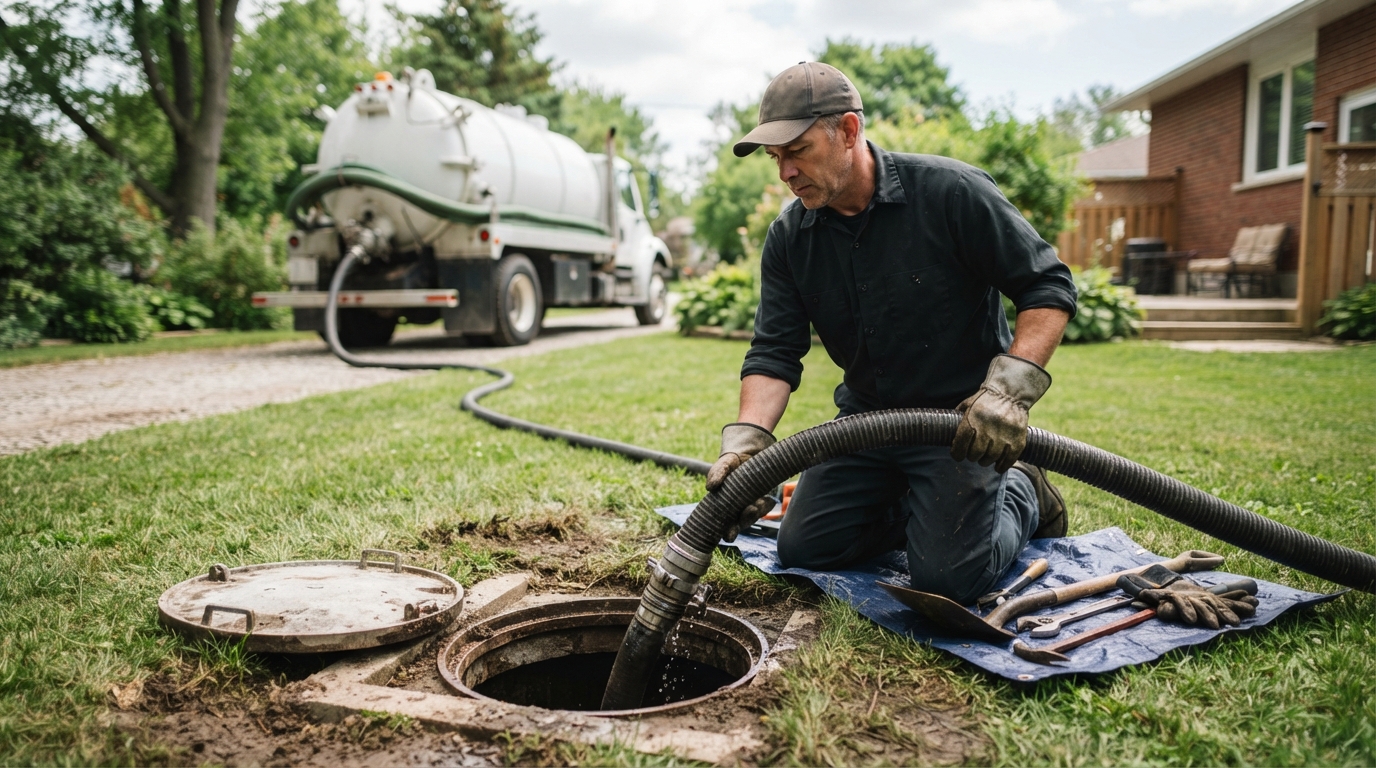
- Using a vacuum truck to remove liquids, sludge, and scum from the tank.
- Inspecting the tank walls, baffles, and outlet for visible damage or wear.
- Documenting the service date and tank condition for future reference.
Homeowners in Wendell, NC benefit from keeping a written service record, since documentation helps establish a realistic pumping interval over time rather than guessing based on symptoms alone.
Based in Wendell, NC, All American Septic provides septic pumping and related services to customers throughout the surrounding area. For more information about its septic pumping services, View Site.
Frequently Asked Questions
How often should a septic tank be pumped? Most tanks need pumping every three to five years, though homes with higher occupancy, garbage disposals, or smaller tanks may need service every two to three years.
Can additives replace regular pumping? No. The EPA does not recommend biological or chemical additives as a substitute for physically removing sludge and scum through pumping.
What happens if pumping is delayed too long? Solids can migrate into the drain field, clogging the soil and potentially requiring a costly drain field repair or replacement rather than routine maintenance.
Is a full inspection the same as pumping? No. An inspection evaluates tank and drain field condition and may or may not include pumping, depending on measured sludge and scum levels.
Final Notes on Scheduling Service
Property owners can View Site to access published location and contact information and learn more about scheduling routine septic maintenance.