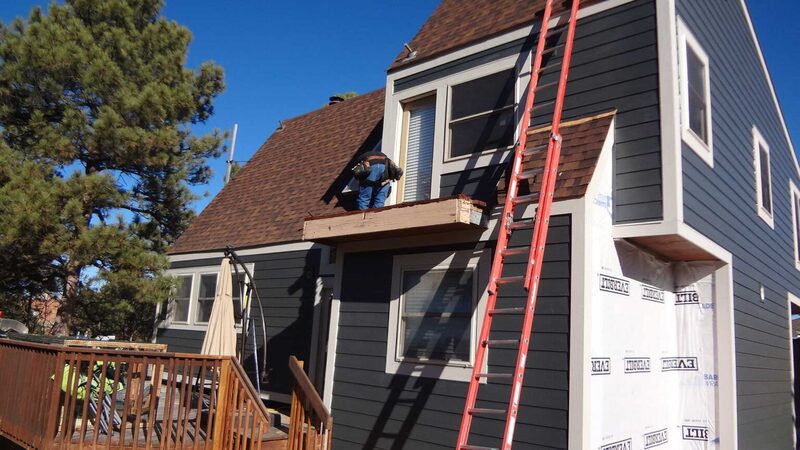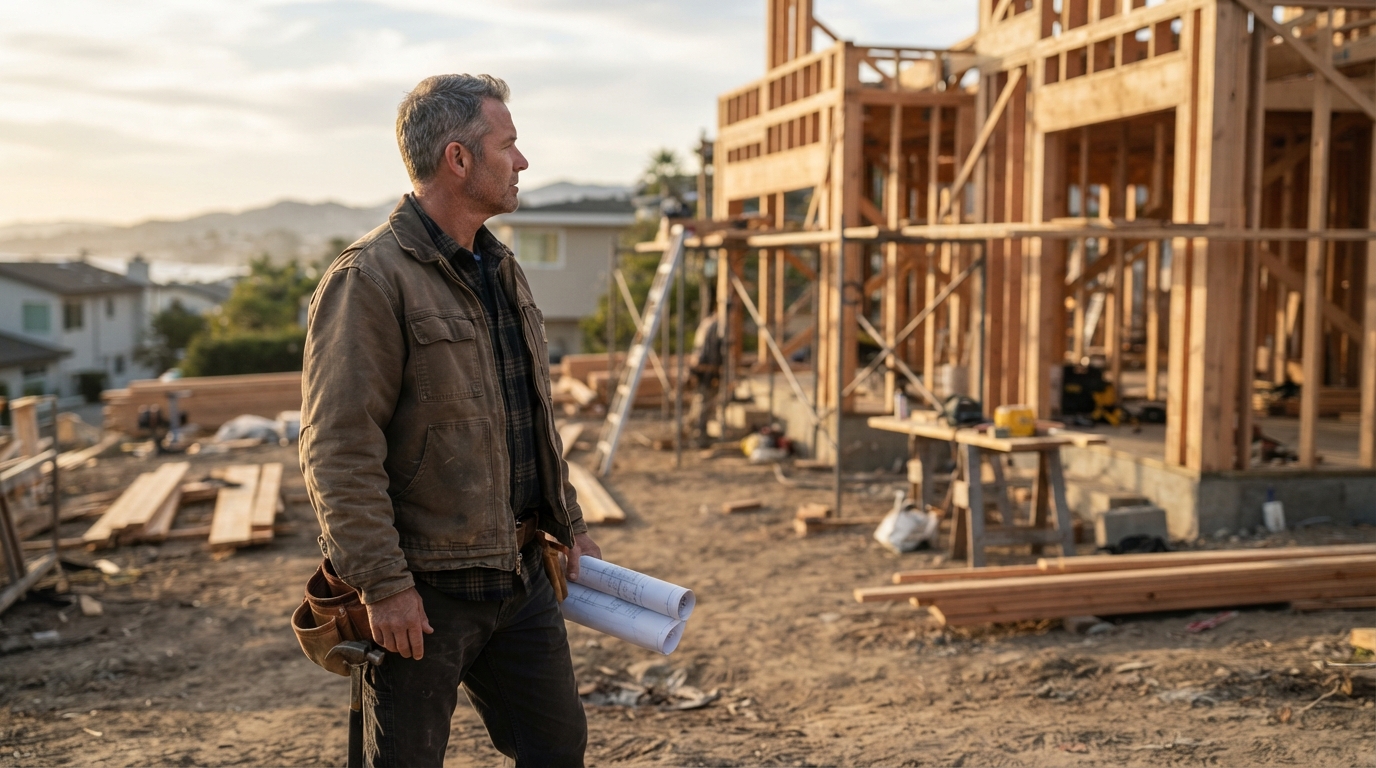
Takeaway:
- A licensed general contractor in San Clemente manages everything from permits to final walkthrough on remodels, additions, and custom builds.
- Verified CSLB licensing, insurance, and bonding are non-negotiable baseline checks before hiring.
- Local experience with coastal permitting and building departments often determines how smoothly a project moves forward.
Homeowners searching for a general construction contractor typically want one point of contact who can plan, permit, and build a project from start to finish without juggling multiple trades. A qualified General Construction Contractor in Orange County, CA coordinates the full sequence of a job, including design input, subcontractor scheduling, inspections, and final completion, so the homeowner is not managing each trade separately.
This matters most in San Clemente, where hillside lots, coastal setbacks, and older housing stock often complicate what looks like a straightforward remodel. A contractor familiar with the city’s permitting process and site conditions can anticipate issues before they stall a project.
Core Services a General Contractor Handles
Most full-service residential contractors in this market organize their work around a consistent set of project types rather than piecemeal repairs.
- Custom home construction from the ground up
- Whole-home and partial remodels, including kitchens and bathrooms
- Accessory dwelling units (ADUs) and room additions
- Outdoor living spaces such as decks, patios, and covered rooms
- Finish carpentry, framing, and structural carpentry work
A family-owned firm such as White & White Construction has built its reputation on this same core scope: custom homes, remodels, ADUs and additions, outdoor living, and carpentry, rather than spreading into unrelated commercial or specialty trades.
What Licensing and Verification Should Look Like
Before signing any contract, confirming a contractor’s license status is a basic consumer protection step, not an optional extra. California requires a licensed contractor for any project where combined labor and materials reach a set dollar threshold, and the Contractors State License Board maintains the official lookup tool for checking license status, classification, and bonding.
| Verification Step | Why It Matters |
| Active CSLB license | Confirms the contractor passed trade and law exams |
| Classification match | Ensures the license covers the scope of your project |
| Bond and insurance on file | Protects against incomplete or defective work |
| Local permit history | Indicates familiarity with city-specific requirements |
Skipping this step is one of the most common mistakes homeowners make when hiring for larger projects like additions or custom builds.
How the Project Process Typically Unfolds
A general contractor’s workflow generally follows a predictable sequence, even though timelines vary by project size and city permitting speed.
- Initial consultation and site assessment to understand the scope, budget, and any site-specific constraints.
- Design and permitting, where plans are drafted and submitted to the local building department.
- Scheduling and site preparation, including demolition or excavation if required.
- Construction phases, moving through foundation, framing, rough mechanical work, and finish carpentry.
- Inspections and final walkthrough, confirming the work meets code before the project closes out.
Coastal cities in Orange County often add an extra layer to step two, since some properties require Coastal Development Permits in addition to standard city permits. A contractor who regularly works in San Clemente and neighboring coastal communities is better positioned to anticipate these requirements rather than discover them mid-project.
Questions to Ask Before Hiring
Homeowners get the clearest picture of fit by asking direct, practical questions during the first consultation.
- What is your CSLB license number, and can I verify it myself?
- Have you completed similar projects (ADU, remodel, custom home) in this city?
- Do you handle the permitting process directly, or is that the homeowner’s responsibility?
- Who will be on-site day to day, and how is subcontractor work supervised?
Clear answers to these questions upfront tend to predict how communication will go once the project is underway.
Frequently Asked Questions
What does a general contractor actually manage on a project? A general contractor oversees the full build, coordinating subcontractors, scheduling inspections, managing permits, and taking responsibility for the finished result meeting code and contract specifications.
Do I need a licensed contractor for a small remodel? California law sets a dollar threshold for when a licensed contractor is legally required, based on combined labor and materials costs, so even moderate-sized remodels typically fall under this requirement.
How long does a typical remodel or addition take? Timelines depend heavily on project scope and local permitting speed, with coastal cities sometimes requiring additional review for Coastal Development Permits before construction can begin.
Should I get multiple bids before hiring a contractor? Comparing a few detailed bids helps homeowners evaluate not just price but also scope clarity, licensing status, and communication style before committing to a contractor.
Choosing the right contractor comes down to verifying credentials, understanding the project workflow, and confirming the scope of services matches your specific needs. For homeowners in San Clemente planning a remodel, addition, or custom build, White & White Construction offers a locally grounded perspective on navigating these projects from first consultation through final walkthrough.