Short answer:
- Certified tree trimming reduces storm-damage risk, promotes tree health, and avoids the liability of DIY cuts near structures or power lines.
- Professionals follow recognized pruning standards, protecting tree structure and property value over time.
- In Sebastian, FL, seasonal storms make routine trimming a practical safety measure, not just a cosmetic one.
Certified tree trimming professionals remove hazardous, dead, or overgrown limbs using techniques that protect long-term tree health and reduce the risk of storm-related property damage. This approach differs from casual yard maintenance because it follows documented pruning standards rather than guesswork.
Homeowners searching for reliable Tree Trimming Services are often responding to a specific concern: a limb hanging too close to a roofline, a canopy that has not been thinned in years, or storm prep ahead of hurricane season. Trained crews assess branch structure, identify weak unions, and cut according to accepted arboricultural methods rather than removing wood indiscriminately. This matters most in Florida, where live oaks, palms, and fast-growing species common to yards in Sebastian, FL can develop structural weaknesses that are not obvious from the ground.
Why Professional Pruning Matters for Tree Health
Improper cuts can cause long-term damage that is not always visible right away.
- Flush cuts and “topping” remove the branch collar, which slows wound closure and invites decay.
- Over-pruning in a single season stresses the tree and reduces its ability to recover.
- Improperly timed cuts on flowering or fruiting species can reduce future blooms or yield.
According to UF/IFAS Extension, palm fronds naturally turn over as a tree matures, and removing green, healthy fronds can create wounds that leave the tree vulnerable to disease. Certified crews apply this kind of species-specific knowledge so pruning supports the tree’s structure instead of weakening it.
Safety Considerations That Go Beyond the Yard
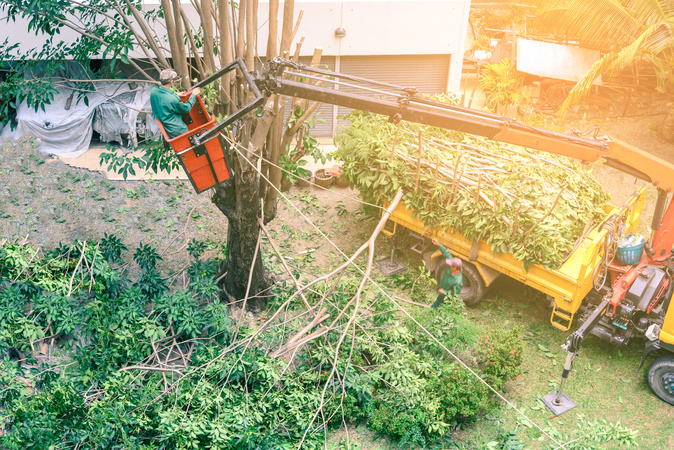
Tree work involves risks that are easy to underestimate, particularly around utility lines, rooflines, or when working at height.
1. Branches can bind saws or kick back unpredictably during cutting.
2. Contact with energized lines near a tree can create a serious electrocution hazard.
3. Ladders and improvised climbing methods account for a significant share of home tree-trimming injuries.
Industry guidance from UF/IFAS Extension notes that OSHA line-clearance rules restrict untrained workers from operating within ten feet of energized utility lines during tree work. Certified professionals carry insurance and use equipment suited to these conditions, which shifts that liability away from the property owner.
What Certified Trimming Typically Includes
A structured trimming visit generally covers more than cutting back overgrown branches.
| Service Element | Purpose |
| Canopy thinning | Improves airflow and reduces wind resistance during storms |
| Deadwood removal | Eliminates hazards and slows decay spread |
| Structural pruning | Encourages a stable, well-spaced branch framework |
| Clearance trimming | Keeps limbs away from rooflines, driveways, and power lines |
Based in Vero Beach, FL, tree care work for properties across Sebastian, FL follows these same general principles, adjusted for the species and site conditions found on each property. Yard-level factors such as soil drainage, prior storm damage, and proximity to structures typically shape how a trimming plan is scoped.
Business Info
Tree care work covering trimming, removal, and related yard maintenance is handled by Perez Tree Service, a provider operating out of Vero Beach, FL.
Frequently Asked Questions
How often should trees be trimmed in Florida? Most residential trees benefit from trimming every one to two years, though fast-growing species or storm-damaged trees may need more frequent attention.
Can trimming prevent storm damage? Thinning a canopy reduces wind resistance and removes weak limbs, which lowers the likelihood of breakage during high winds, though it cannot eliminate storm risk entirely.
Is a permit needed to trim trees in Sebastian, FL? Permit requirements vary by property and tree type, so it is worth checking local regulations before major pruning or removal work begins.
What is the difference between trimming and pruning? The terms are often used interchangeably, but trimming usually refers to shaping and size control, while pruning targets specific health or structural goals, such as removing deadwood.
Looking Ahead
Routine, standards-based trimming supports tree health, reduces storm-related risk, and helps maintain the condition of a property’s landscape over time.