Key takeaway:
- Slow drains, gurgling pipes, and recurring backups are the clearest signs a sewer line needs professional cleaning.
- Grease, wipes, and root intrusion are the most common causes of blocked sewer lines in older plumbing systems.
- Camera inspection and jetting or rodding are the standard professional methods used to clear and confirm a clean line.
A sewer line typically needs cleaning when multiple drains slow down at once, toilets gurgle, or water backs up into tubs and sinks during normal use. These symptoms point to a blockage building inside the main line rather than a single fixture problem, and they usually call for professional Sewer Cleaning in Williston, VT rather than a store-bought drain product.
Homeowners in older housing stock often notice these warning signs gradually before a full backup occurs. Recognizing them early can prevent water damage, unpleasant odors, and costly emergency repairs.
Common Warning Signs of a Blocked Sewer Line
Several signals point to a developing clog rather than normal wear on a single fixture.
- Multiple slow drains : When a shower, sink, and toilet all drain sluggishly around the same time, the blockage is likely in the main line rather than an individual fixture.
- Gurgling sounds : Air trapped behind a clog can cause toilets or drains to gurgle when water runs elsewhere in the house.
- Recurring backups : A backup that clears temporarily but returns within weeks often indicates a partial obstruction that has not been fully removed.
- Unpleasant odors : Sewer gas smells near floor drains or outside near the sewer line path can signal a crack or blockage allowing wastewater to pool.
- Patchy or lush grass : Unusually green patches over the sewer line route may indicate leaking wastewater feeding the soil.
Multiple fixture backups are generally treated as a stronger signal than a single slow drain, since they point to an obstruction deeper in the line rather than isolated debris near one fixture.
What Causes Sewer Lines to Clog
Most clogs develop gradually from a combination of daily habits and the condition of the pipe itself.
1. Grease and food waste : Fats and oils poured down kitchen sinks harden inside pipes over time, narrowing the usable diameter of the line.
2. Non-flushable items : Wipes, paper towels, and hygiene products do not break down the way toilet paper does and commonly catch on pipe joints.
3. Tree root intrusion : Roots seeking moisture can enter small cracks or joints in older sewer pipes, especially in neighborhoods with mature trees near the plumbing path.
4. Pipe age and material : Older clay or cast iron pipes are more prone to cracking, settling, or offsetting than modern PVC lines, increasing the likelihood of buildup.
The EPA notes that proper care and maintenance of wastewater systems helps protect groundwater and reduces the risk of costly backups for homeowners relying on septic or sewer infrastructure.
Professional Cleaning Methods and What To Expect
Once a blockage is suspected, a professional typically starts with a diagnostic step before choosing a clearing method.
| Method | Best Used For | What It Does |
| Camera inspection | Diagnosing cause and location | Confirms whether the issue is grease, roots, debris, or a structural pipe problem |
| Mechanical rodding | Heavy debris, small roots | A rotating cable breaks apart and clears obstructions inside the pipe |
| High-velocity jetting | Grease, sludge, soft blockages | Pressurized water scours the interior pipe wall and flushes debris downstream |
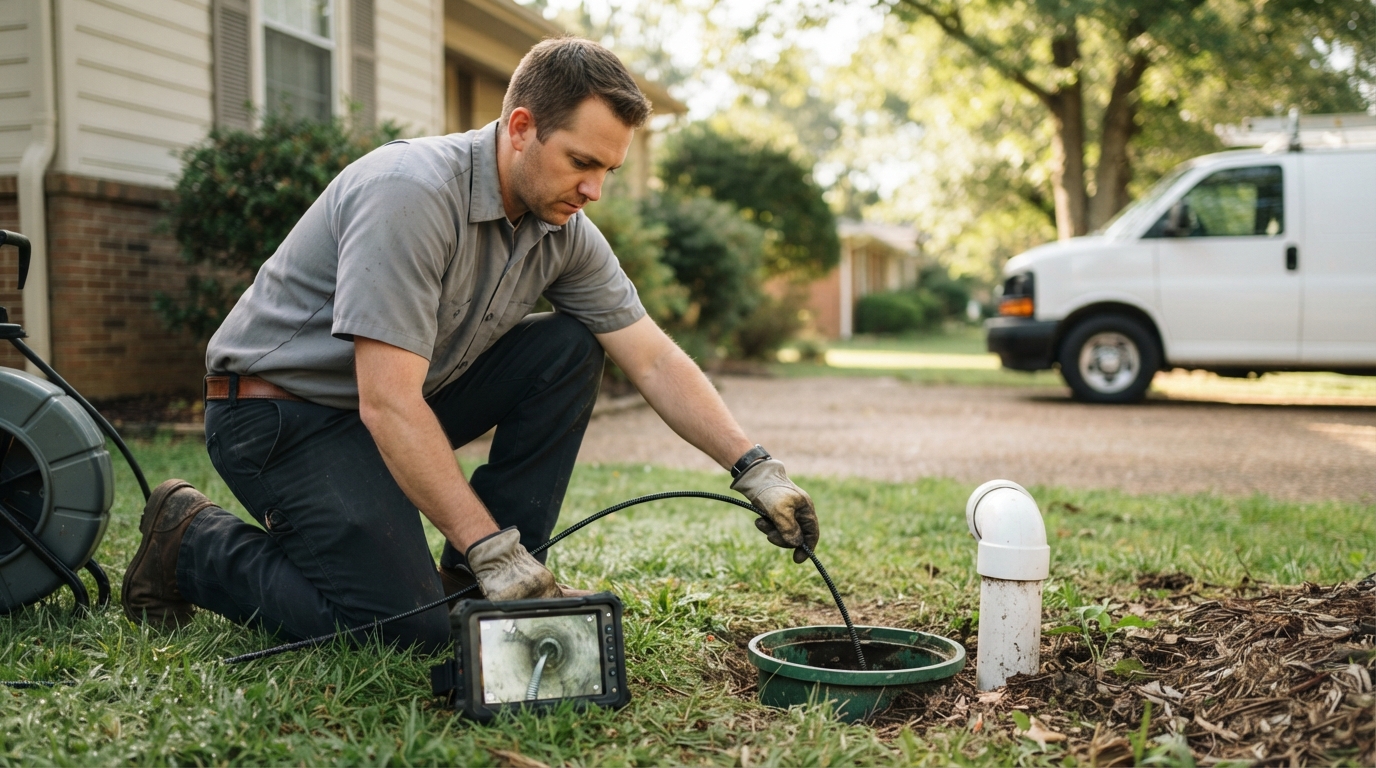
A camera inspection is often recommended first because it identifies whether a simple cleaning will resolve the issue or whether a cracked or offset pipe section needs repair. Jetting and rodding are typically paired with a follow-up camera pass to confirm the line is fully clear.
Seasonal freeze-thaw cycles in Williston, VT can accelerate ground movement around older pipe joints, making periodic inspection a practical step for homes with sewer lines more than a few decades old. Based in USA, P & P Septic Service Inc serves customers across Williston, VT and surrounding service areas.
Sewer and drain cleaning equipment and line types handled by the company are described on the P & P Septic Service Inc page, which lists the pipe diameters and line categories the equipment is built to clear.
Frequently Asked Questions
How often should a sewer line be professionally cleaned? Cleaning frequency depends on pipe age, tree proximity, and household usage, so a technician’s camera inspection is the most reliable way to set a realistic interval for a specific property.
Can a sewer line clog clear on its own? A partial clog may temporarily allow water to pass, but grease and root intrusion typically continue building until a backup recurs, so lasting results usually require mechanical or jetting removal.
Is sewer cleaning different from septic tank pumping? Yes. Sewer cleaning clears blockages and buildup inside the pipe itself, while septic tank pumping removes accumulated solids from the tank; a property may need one, both, or neither depending on its wastewater system.
What is a sewer cleanout and why does it matter? A cleanout is an accessible pipe fitting with a removable cap that allows a cable or jetting hose to enter the line directly, making it a key access point for both diagnosis and cleaning.
Addressing early warning signs before a full backup develops generally keeps sewer line maintenance manageable rather than an emergency repair. Published details for P & P Septic Service Inc cover the line types and pipe diameters served in the area.