Takeaway:
- Twice-yearly checkups, cleanings, and fluoride treatments form the core of preventive dental care for most families.
- Look for a practice offering digital X-rays, checkups for all ages, and a comfortable environment for young patients.
- A consistent preventive routine at home plus professional cleanings reduces the risk of cavities and gum disease over time.

Families searching for preventive dental care want a provider who can treat every age group, from toddlers getting their first exam to grandparents managing long-term oral health. A Family Dentist in Riverton, WY who emphasizes prevention can help households avoid costly restorative work down the road.
Choosing the right provider starts with understanding what preventive dentistry actually includes and how often each family member needs care. BenchMark Dental has served Riverton families with general and preventive dental services, giving local parents a nearby option built around routine, proactive checkups rather than reactive treatment.
What Preventive Dental Care Covers for Families
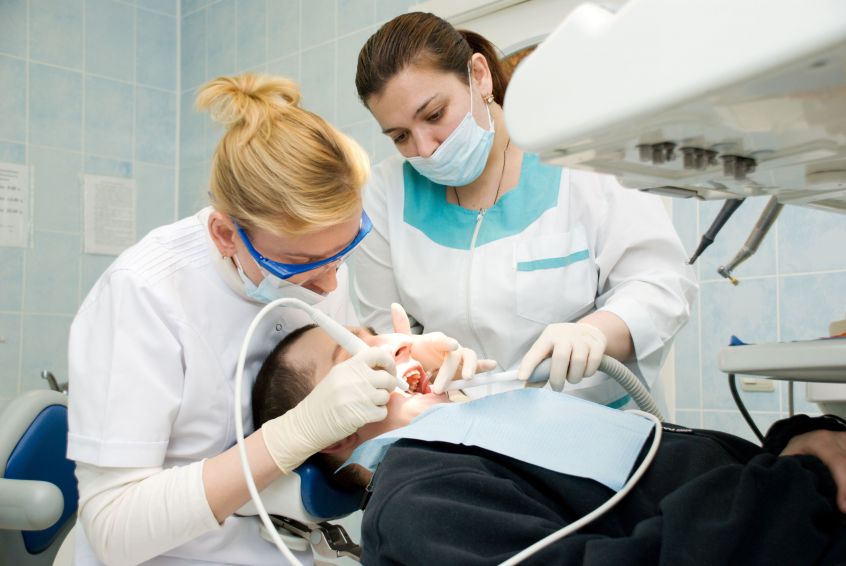
Preventive dentistry is designed to catch problems early, before they require fillings, crowns, or extractions. A typical preventive visit includes several components working together.
- Dental checkups: A visual and clinical exam to assess the health of teeth, gums, and bite.
- Professional cleanings: Removal of plaque and tartar buildup that brushing alone cannot reach.
- Digital X-rays: Imaging that reveals decay or bone issues not visible during a standard exam.
- Fluoride treatments: A protective step that strengthens enamel for both children and adults.
These services align with guidance from dental professional organizations on how often exams should occur and what they should assess. According to the American Academy of Pediatric Dentistry’s 2025-2026 periodicity guidelines, the first dental examination is recommended at the eruption of the first tooth and no later than 12 months of age, with the interval between visits adjusted based on a child’s individual risk for disease.
How Often Should Each Family Member Visit the Dentist
Not every household member needs dental care on the same schedule. Risk factors like diet, oral hygiene habits, and existing dental work all play a role.
- Infants and toddlers: First visit by age one, then as recommended based on risk.
- School-age children: Checkups roughly every six months, consistent with common pediatric dental guidance.
- Teens and adults with good oral health: Checkups twice a year in most cases.
- Adults with higher risk (gum disease history, dry mouth, or chronic conditions): More frequent visits as advised by a dentist.
Comparing Preventive Visit Types
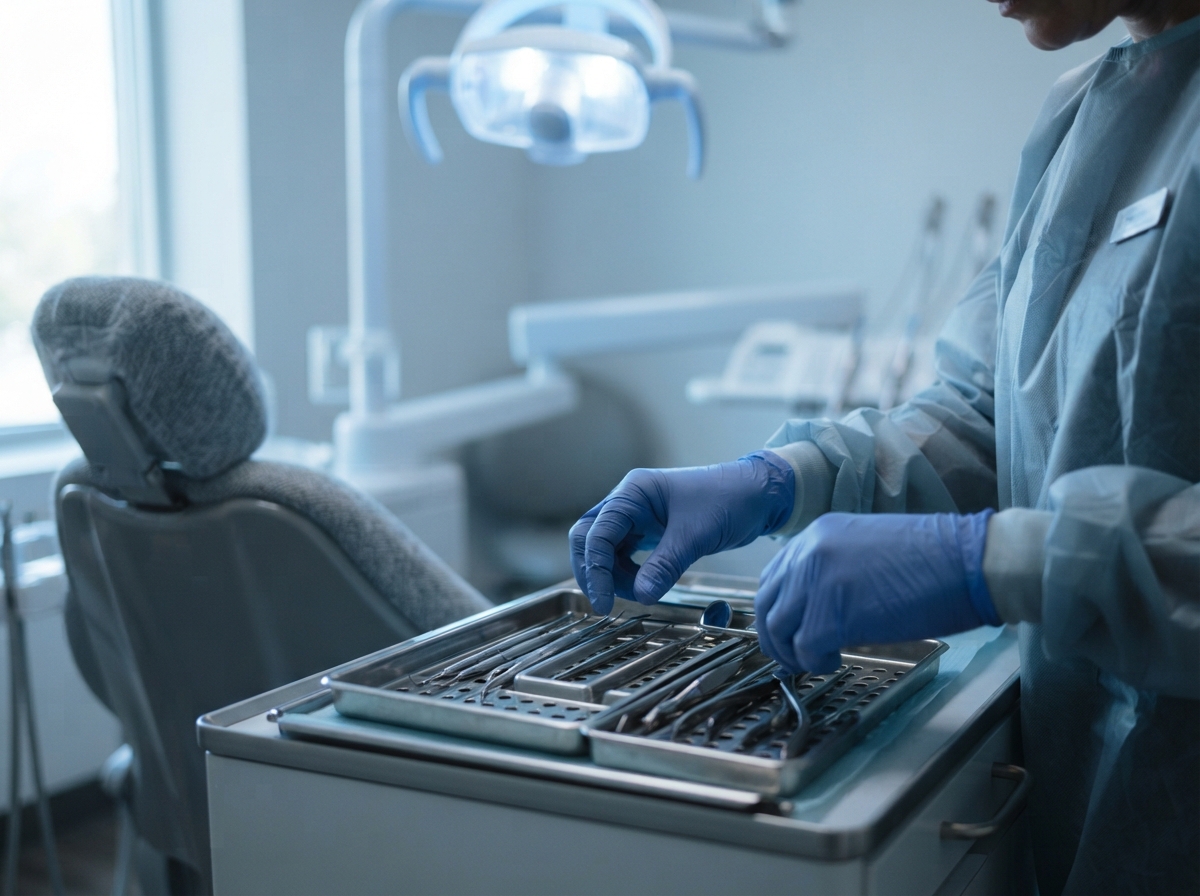
The table below outlines how common preventive services differ in purpose and typical frequency.
| Service | Purpose | Typical Frequency |
| Routine checkup | Monitor overall oral health and catch early issues | Every 6 months (risk-based) |
| Professional cleaning | Remove plaque and tartar buildup | Every 6 months |
| Digital X-rays | Detect decay or bone changes not visible to the eye | As recommended by the dentist |
| Fluoride treatment | Strengthen enamel and reduce cavity risk | Varies by age and risk level |
What to Look for When Choosing a Family Dentist
Selecting a dental provider is easier when families know which practical factors matter most for long-term care.
- Services for all ages: A practice that handles both pediatric checkups and adult preventive care simplifies scheduling for busy households.
- Clear communication: Staff who explain findings and treatment options in plain language build trust over repeat visits.
- Convenient location and hours: A dentist close to home or work reduces the chance of skipped appointments.
- Comfort-focused approach: A calm, welcoming office environment matters especially for children attending their first few visits.
Building a Preventive Routine at Home
Professional visits are only part of the picture. Daily habits at home reinforce what happens in the dental chair.
- Brush twice daily with fluoride toothpaste.
- Floss once a day to clean between teeth where brushes cannot reach.
- Limit sugary snacks and drinks between meals.
- Replace toothbrushes every three to four months or sooner if bristles fray.
Consistency with these habits, paired with scheduled professional cleanings, gives families the best chance of avoiding preventable dental problems.
Frequently Asked Questions
How often should a family schedule dental checkups? Most healthy patients benefit from a checkup and cleaning every six months, though the exact interval depends on individual risk factors such as age and oral health history.
At what age should a child have their first dental visit? Pediatric dental guidelines recommend a first exam by the time the first tooth erupts and no later than 12 months of age.
What is included in a typical preventive dental appointment? A standard visit usually includes a clinical exam, professional cleaning, and may include digital X-rays or fluoride treatment depending on the patient’s needs.
Why does preventive care matter for long-term oral health? Catching decay or gum issues early typically means simpler, less costly treatment compared to addressing advanced dental problems later.
Families in Riverton who prioritize routine checkups, cleanings, and good home habits put themselves in a strong position to avoid more invasive dental work later. For households weighing their options locally, BenchMark Dental offers general and preventive dental services at its Riverton office for patients across age groups. Scheduling a checkup is a practical first step toward building a long-term preventive care routine for the whole family.