At glance:
- A roofing contractor identifies hidden storm damage, documents findings for insurance, and prevents small issues from becoming costly leaks.
- Prompt inspection timing matters: most insurers expect damage reported within days, not weeks, after a storm.
- Working with a contractor during the adjuster visit helps ensure the full scope of damage gets recorded.
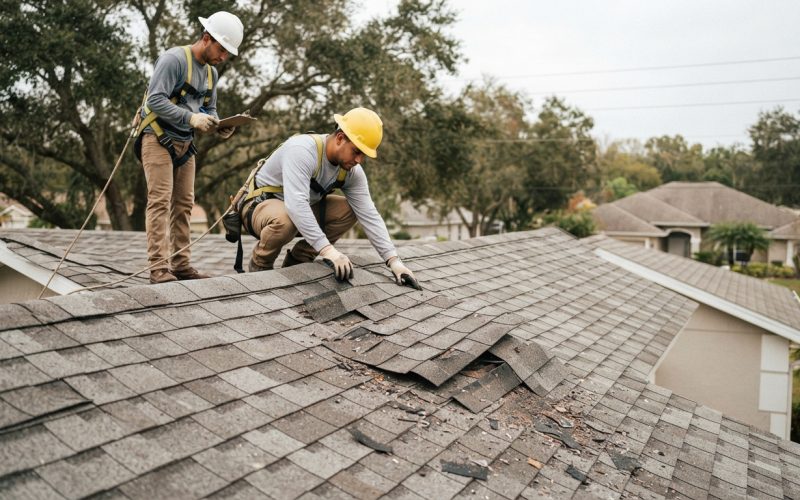
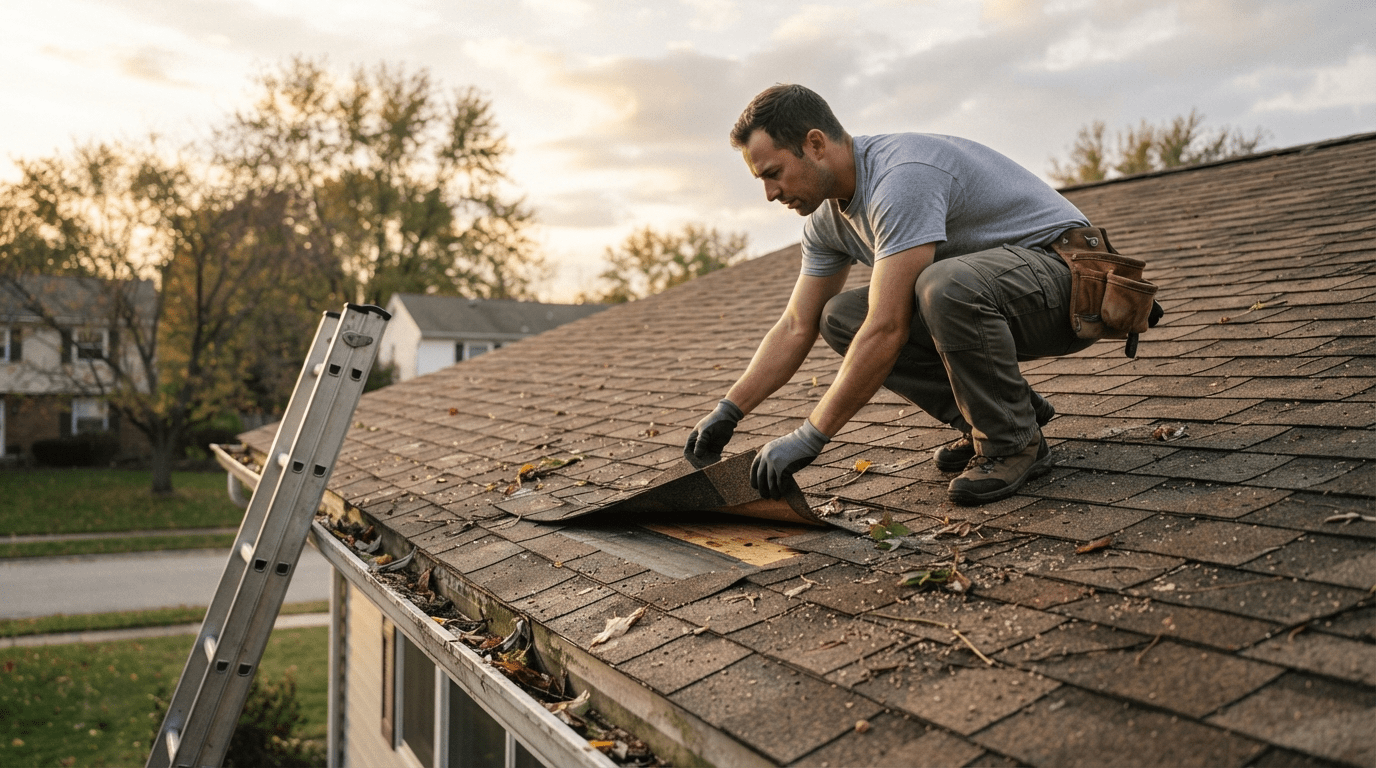
A storm can leave a roof looking intact from the ground while hiding cracked shingles, loosened flashing, or hail bruising that only a trained eye will catch. Scheduling an inspection quickly protects both the structure and the insurance claim that may follow.
Hail, strong winds, and heavy rainfall can affect roofing systems in different ways, making it essential to hire a qualified roofing contractor in Savannah, GA A detailed inspection should go beyond visible shingles to examine flashing, vents, ridge caps, and attic spaces for hidden water damage or moisture intrusion that may not be noticeable from the ground.
Why Professional Inspection Timing Matters
Insurance carriers pay close attention to how quickly damage gets reported after a storm. According to one industry guide, the industry standard for reporting storm damage is 72 hours to 30 days, though filing sooner generally strengthens a claim. Waiting too long can weaken the connection between the storm event and the damage itself.
A few timing guidelines worth following:
- Document damage from the ground first; avoid climbing onto a wet or compromised roof.
- Request a professional inspection within the first few days after the storm passes.
- Keep receipts for any temporary repairs, since these costs are often reimbursable.
The FEMA home inspections guidance also recommends taking photos of damage and starting safe cleanup before an official inspection, steps that apply equally well when working with a private contractor ahead of an insurance adjuster visit.
What a Storm Damage Inspection Typically Covers
A contractor’s inspection generally separates visible wear from storm-caused damage, which matters because insurers only cover the latter. Common areas reviewed include:
- Shingles: missing, curled, or granule-stripped sections
- Flashing: loosened or bent metal around chimneys, vents, and skylights
- Gutters and downspouts: dents that indicate hail impact
- Attic and ceilings: water stains or damp insulation signaling a hidden leak
| Damage Type | Visible From Ground | Requires Closer Inspection |
|---|---|---|
| Missing shingles | Yes | No |
| Hail bruising | Rarely | Yes |
| Flashing separation | Rarely | Yes |
| Attic moisture | No | Yes |
Supporting the Insurance Claims Process
A contractor’s written report gives homeowners documentation that stands alongside their own photos when filing a claim. Having a professional present during the adjuster’s visit can also help ensure damage isn’t overlooked, since contractors know what classification levels and repair scopes insurers look for. This does not replace the adjuster’s role, but it does give homeowners a second, informed perspective before decisions are finalized.
Repairs should wait until after the inspection is documented, since permanent fixes can remove evidence a claim depends on. Temporary protection, such as tarping an active leak, is different and is typically expected and reimbursable.
Frequently Asked Questions
How soon after a storm should a roof be inspected? Most guidance points to inspecting within the first few days of safe access, since early documentation supports both repair planning and insurance timelines.
Does every storm require a professional inspection? Not necessarily. Minor storms without hail or high winds rarely cause roof damage, but hail over an inch, winds above 60 mph, or any hurricane activity generally warrant a closer look.
Can homeowners inspect their own roof first? A ground-level visual check is a reasonable first step, but hidden damage such as hail bruising or loosened flashing often requires a trained inspector to confirm.
What should be avoided before the inspection? Permanent repairs should wait until damage is documented, since removing or replacing materials too soon can weaken an insurance claim.
Next Steps After Storm Damage
Alpha Roofing Services provides roof inspection, repair, and related services for homeowners dealing with storm-related concerns, offering a practical starting point for assessing what a roof needs next. For scheduling details or to review service information directly, Alpha Roofing Services can be reached through its business profile, and homeowners can also Visit Website to learn more about available options before deciding on next steps.