Essentially:
- Fast water extraction and drying within the first 24-48 hours limits structural damage and mold growth.
- A safe recovery follows a sequence: shut off the source, remove standing water, dry and dehumidify, then inspect for hidden moisture.
- Professional water damage repair in Carmel, IN, combines moisture detection equipment with documented drying logs to confirm a property is truly dry before repairs begin.
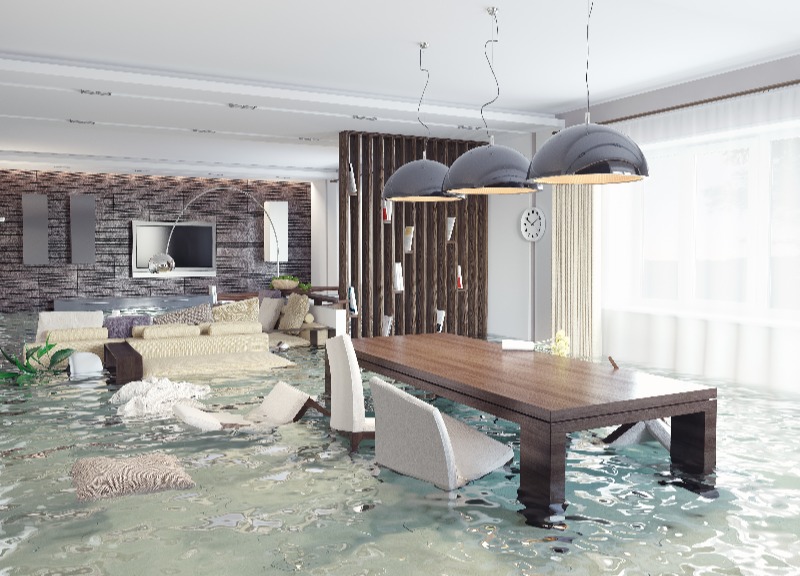
Standing water in a home or business becomes a health and structural risk within hours, not days, which is why a methodical response matters more than speed alone. Property owners searching for water damage repair in Carmel, IN, are usually dealing with an active leak, a flooded basement, or damage from a burst pipe, and the safest path forward follows a specific order of operations rather than a rushed cleanup.
Carmel’s mix of older neighborhoods and newer developments means water intrusion can come from several directions, including aging plumbing, sump pump failure, or seasonal storm runoff. Regardless of the source, the underlying risk is the same: moisture that lingers in walls, subfloors, or crawlspaces creates conditions for mold within 24 to 48 hours, according to the Environmental Protection Agency’s mold guidance.
The First 24 Hours: Stopping the Damage from Spreading
The earliest actions after discovering water damage determine how much of the property can be saved.
- Shut off the water source at the main valve or appliance connection if the leak is still active.
- Cut power to affected areas if outlets or wiring are near standing water.
- Remove or elevate furniture and belongings to prevent staining, warping, or contamination.
- Document the damage with photos and notes before cleanup begins, which supports any insurance claim.
These steps reduce the volume of water that needs to be extracted and protect people from electrical hazards while the situation is assessed.
Water Extraction and Structural Drying
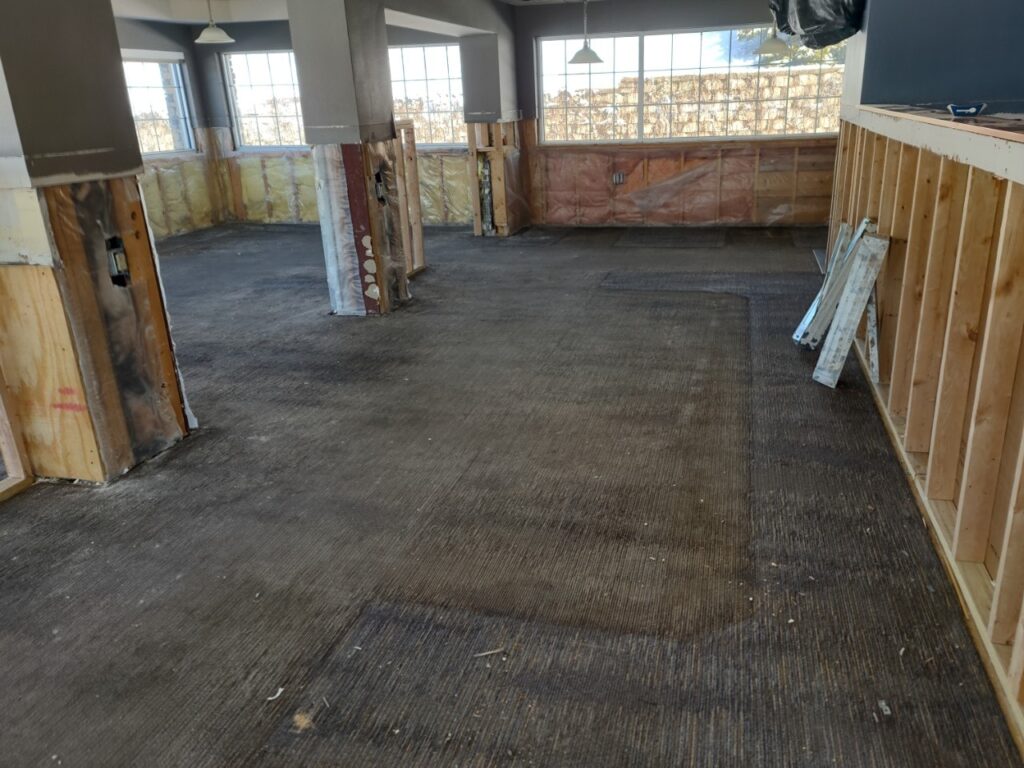
Once the source is controlled, the physical water has to be removed before drying can begin. This stage typically involves industrial extraction equipment, air movers, and dehumidifiers positioned to pull moisture from flooring, drywall, and subfloor materials. A provider offering water damage repair in Carmel IN will generally address:
- Standing water removal from floors and carpet padding
- Moisture readings in walls and subfloors using detection tools
- Placement of air movers and dehumidifiers based on room size and material type
- Ongoing monitoring until moisture levels return to a normal baseline
Skipping the drying verification step is one of the most common mistakes in DIY cleanup, since surfaces can appear dry while moisture remains trapped underneath.
Comparing Do-It-Yourself Cleanup to Professional Water Damage Repair
| Factor | DIY Cleanup | Professional Water Damage Repair |
| Equipment | Household fans, towels | Industrial extractors, air movers, dehumidifiers |
| Moisture detection | Visual inspection only | Moisture meters and thermal tools |
| Mold prevention | Limited, reactive | Proactive drying verification |
| Insurance documentation | Informal, inconsistent | Structured reports and photos |
This comparison is not about convenience alone. Untreated moisture behind walls or under flooring can compromise structural materials well after the surface looks dry, which is why documented drying matters for both safety and any future insurance review.
Restoring the Property After Drying Is Complete
Once moisture levels are confirmed within an acceptable range, attention shifts to repair and restoration. Depending on the extent of the damage, this can include replacing damaged drywall, flooring, or insulation, along with addressing any crawlspace issues that contributed to the original problem. Providers in the area, including Indiana Restoration and Cleaning Services, describe handling everything from emergency water removal to full disaster repair and reconstruction for residential and commercial properties in Carmel.
Mold prevention remains part of this final stage. Because mold growth is tied to trapped moisture rather than the initial flooding event, a thorough final inspection should check spaces that are easy to overlook, such as behind baseboards, under cabinets, and inside crawlspaces.
Frequently Asked Questions
How quickly should water damage be addressed? Extraction and drying should begin as soon as possible after water intrusion is discovered, since delayed response increases the risk of mold and structural damage.
Can I dry out a flooded room myself? Small, contained spills can sometimes be managed with fans and dehumidifiers, but larger water events typically require professional-grade extraction and moisture detection to confirm the space is fully dry.
What causes most water damage in Carmel homes? Common causes include burst or leaky pipes, sump pump failures, appliance malfunctions, and storm-related flooding affecting basements and crawlspaces.
Does homeowners insurance cover water damage repair? Coverage varies by policy and cause of loss, so it is best to review specific policy terms and document damage thoroughly before filing a claim.
A safe water damage recovery depends on sequence as much as speed: controlling the source, extracting standing water, verifying that structural materials are truly dry, and only then moving into repairs. Property owners in Carmel dealing with an active water event can find service details and contact information through Indiana Restoration and Cleaning Services to begin an inspection and recovery plan suited to their property.