In short:
- Fast water extraction and structural drying within the first 24 to 48 hours are the key factors that limit mold growth and long-term property damage.
- Professional restoration follows a defined process: inspection, water categorization, extraction, drying, and documentation for insurance purposes.
- Local availability matters, since Lombard’s older housing stock and seasonal storms make quick emergency response a practical necessity.
A burst pipe, overflowing sump pump, or storm-driven basement flood can turn a quiet afternoon into a race against the clock. Water Damage Restoration in Lombard IL typically follows a structured process built around removing standing water quickly, drying structural materials, and documenting the loss for insurance purposes before secondary damage sets in.
Parkside Restoration is one of the companies serving the Lombard area as part of a broader Chicagoland service footprint. The restoration company also serves Chicago, Bolingbrook, and Tinley Park, IL, with decades of experience in water, fire, mold, and disaster cleanup, and its service pages confirm coverage that extends into Lombard and surrounding DuPage County suburbs. To see the full list of services, Visit the Parkside Restoration Website.
Why Fast Water Removal Matters
Water does not sit still once it enters a structure. It wicks into drywall, flooring, and framing, spreading damage far beyond the original spill point.
According to EPA guidance on mold and moisture control, it is important to dry water-damaged areas and items within 24-48 hours to prevent mold growth. That window shapes how restoration crews prioritize their work:
- Remove standing water before it saturates subflooring or insulation
- Identify the water source so the same leak does not recur
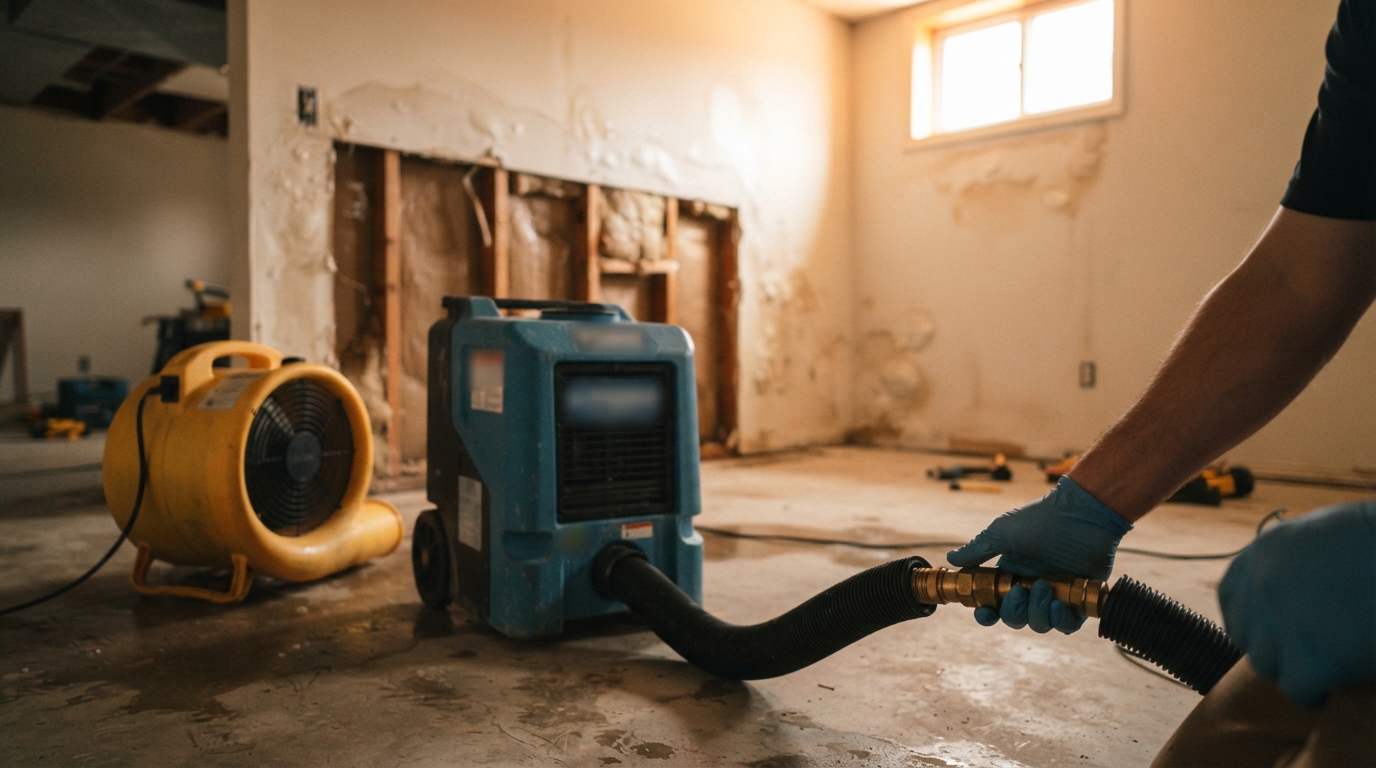
- Set up extraction and drying equipment while the clock is still running
- Monitor humidity, since indoor levels above 60 percent encourage mold regrowth
Professional crews follow the IICRC S500, the industry’s recognized reference for categorizing water contamination and planning a drying strategy. Under this framework, technicians establish the source, category, and class of water intrusion, identify affected materials, and document pre-existing conditions, deploying moisture detection equipment including pin meters, non-penetrating sensors, and thermal imaging cameras during the first phase of assessment. Bulk water extraction precedes structural drying, since the standard identifies extraction as the most cost- and time-efficient method of removing water from assemblies compared with evaporative drying alone.
What a Typical Restoration Process Looks Like
Homeowners facing their first water loss often do not know what to expect. A general sequence, consistent with industry drying standards, usually includes the following stages.
1. Inspection and categorization — technicians assess the source and contamination level of the water before any equipment is deployed.
2. Extraction — pumps and vacuums remove standing water from floors, carpets, and crawl spaces.
3. Structural drying — air movers and dehumidifiers target wet drywall, subfloors, and framing based on moisture readings.
4. Monitoring and documentation — daily moisture checks confirm materials are drying on schedule, with records kept for insurance claims.
| Water Category | Source Example | Typical Handling |
| Category 1 | Clean water (supply line break) | Standard extraction and drying |
| Category 2 | Gray water (washing machine overflow) | Extraction, disinfection, monitored drying |
| Category 3 | Black water (sewage backup, flooding) | Contaminated material removal, sanitization |
Category distinctions matter because they determine whether materials can be dried in place or must be removed and discarded. Category 3 water, which is grossly contaminated including sewage, mandates different handling protocols than Category 1 clean water from a potable source.
Insurance Documentation and Local Considerations
Insurance claims for water losses rise or fall on documentation quality. Adjusters typically want a clear record of what happened, when it was addressed, and why certain materials were removed rather than dried.
Lombard’s mix of older ranch homes and newer construction means basement flooding and sump pump failures are common triggers for claims, particularly during heavy spring rainfall. A restoration provider working in the area should be able to coordinate directly with insurance carriers and provide moisture logs, photos, and material disposition notes that support the claim from day one.
Frequently Asked Questions
How quickly should water damage be addressed in a Lombard home? Extraction and drying should begin as soon as possible, ideally within hours of discovery, since the EPA’s 24 to 48 hour guidance is the widely cited benchmark for limiting mold growth.
Does the type of water affect the restoration process? Yes. Clean water from a supply line is handled differently than gray water from appliances or black water from sewage backups, which require more extensive contamination control.
Can wet drywall and carpet always be saved? Not always. Materials that stay saturated past the recommended drying window, or that fall into higher contamination categories, often need to be removed rather than dried in place.
Why does documentation matter during a water damage claim? Insurance adjusters rely on moisture readings, photos, and category classifications to verify that mitigation work was necessary and completed to an accepted standard.
Water damage rarely waits for a convenient time, and the first few hours after discovering a leak or flood often determine how much of a home can be saved. Property owners in Lombard dealing with an active water loss can review Parkside Restoration’s business details directly through its Parkside Restoration Business Location on Google Maps listing to confirm service area and contact information before making next steps.