Snapshot:
- Water damage restoration involves inspection, water extraction, structural drying, and repair to return a property to pre-loss condition.
- Drying water-damaged materials within 24 to 48 hours is a key step for limiting mold growth, according to federal guidance.
- Bolingbrook, IL based restoration services extend to Lombard, IL, covering burst pipes, flooding, and sewage-related water intrusion.
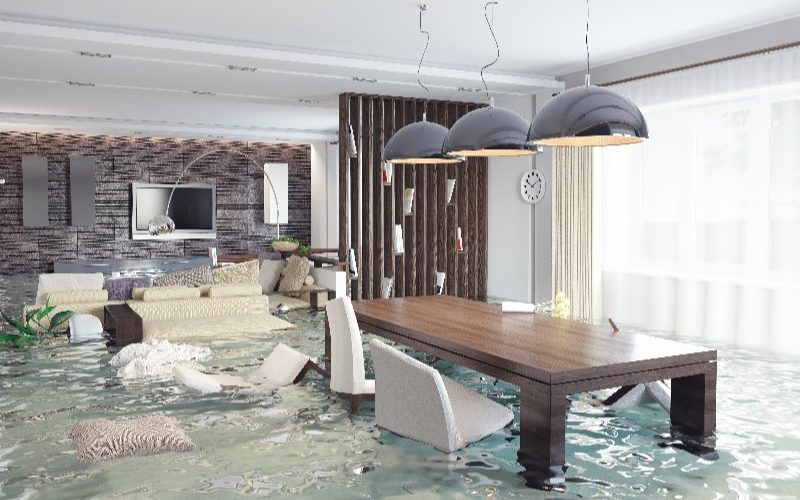
Standing water in a basement or a burst pipe behind a wall does not wait for a convenient time to cause harm. Materials soak up moisture within hours, and structural damage can begin before a homeowner notices anything beyond a damp spot on the carpet. Explore Parkside Restoration Online Resources for more on water damage response.
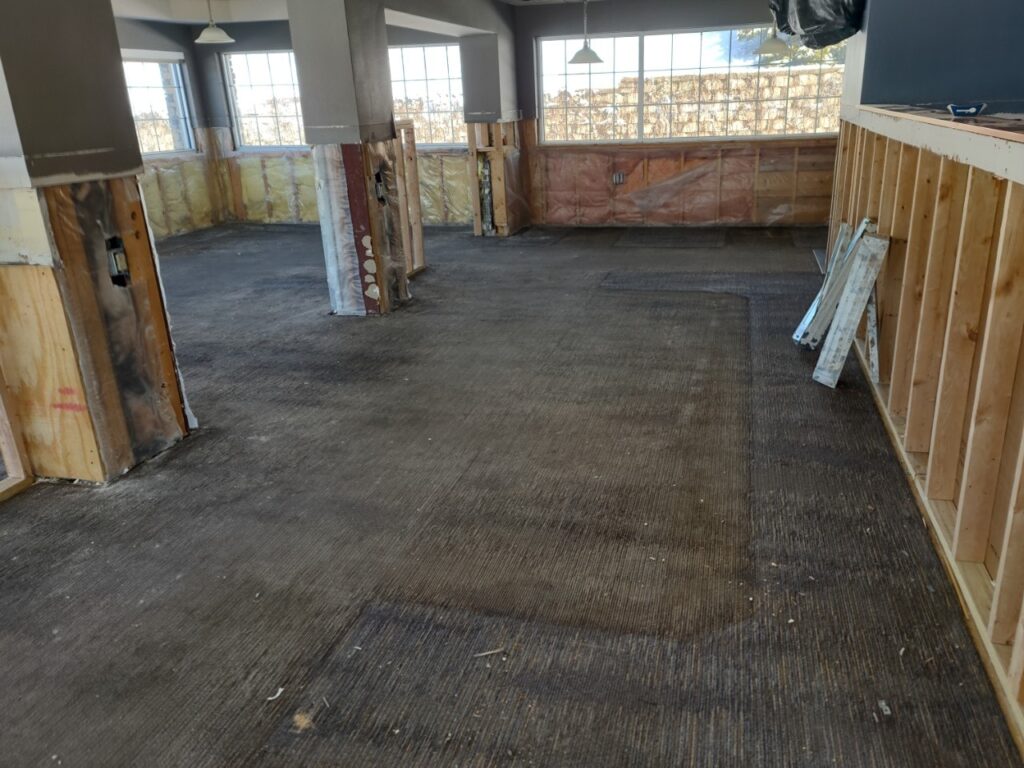
Water damage restoration typically follows a defined sequence: inspection and moisture mapping, water removal, drying and dehumidification, cleaning, and repair. Each phase depends on accurate readings from moisture meters and a clear understanding of how far water has traveled into flooring, drywall, and framing.
Why Timing Matters in Water Damage Restoration
The interval between water exposure and professional response shapes how much of a structure can be saved. Federal guidance notes that drying water-damaged areas and items within 24 to 48 hours helps prevent mold growth, according to the EPA’s brief guide to mold, moisture and your home.
- Within the first 24 hours, drywall and insulation begin absorbing moisture.
- By 48 hours, mold colonies can start forming on wet porous materials.
- Beyond 72 hours, structural wood may warp or weaken, increasing repair costs.
This timeline explains why rapid water extraction and dehumidification are treated as priorities rather than optional steps in most restoration protocols.
Core Phases of the Restoration Process
A structured approach reduces the chance of missed moisture pockets that lead to secondary damage later.
1. Assessment and moisture mapping – technicians identify the water source, category of contamination, and extent of saturation using meters and thermal imaging.
2. Water extraction – pumps and wet vacuums remove standing water from floors, carpets, and crawl spaces.
3. Structural drying – industrial air movers and dehumidifiers reduce humidity in walls, subfloors, and framing over several days.
4. Cleaning and sanitizing – affected surfaces are treated, particularly after contact with sewage or contaminated water.
5. Repair and reconstruction – damaged drywall, flooring, or trim is replaced to restore the space.
Skipping any phase, especially drying time, often leads to mold callbacks or lingering odors months later.
Water Damage Categories and What They Mean for Recovery
Not all water intrusion carries the same risk, and the classification affects both cleanup methods and cost.
| Category | Source Examples | Typical Response |
| Clean water | Supply line break, appliance overflow | Extraction and drying, minimal sanitizing |
| Gray water | Dishwasher or washing machine discharge | Extraction, drying, and surface disinfection |
| Black water | Sewage backup, flood water | Full sanitizing, contaminated material removal, PPE required |
Properties affected by sewage or other contaminated water generally call for a trained professional, since the EPA guide notes that buildings damaged by contaminated water need remediation experience beyond routine cleanup, as outlined in the EPA mold and moisture guidance.
Local Considerations for Lombard, IL Properties
Seasonal freeze-thaw cycles in Lombard, IL put added stress on plumbing and foundations, raising the likelihood of pipe bursts and basement seepage during colder months. Older housing stock in the area can also mean aging plumbing, which increases the odds of slow leaks going unnoticed until they cause visible damage. Property owners who schedule periodic inspections of water heaters, sump pumps, and exposed pipes tend to catch small issues before they become larger restoration projects.
Based in Bolingbrook, IL, Parkside Restoration Services extends its response coverage to properties throughout Lombard, IL, addressing water, sewage, and mold-related damage. Property owners can review the company’s restoration services, business information, and customer feedback when comparing local service providers.
Frequently Asked Questions
How long does water damage restoration usually take? Drying alone can take three to five days depending on the extent of saturation, while full restoration including repairs may extend over one to several weeks.
Can water damage lead to mold even after the water is removed? Yes, if materials remain damp beyond the 24 to 48 hour window recommended by the EPA, mold growth becomes more likely even after visible water is gone.
Is it safe to handle minor water cleanup without a professional? Small, clean-water spills may be manageable for an occupant, but sewage backups or large-scale flooding generally require professional equipment and sanitizing procedures.
What signs suggest hidden water damage behind walls or floors? Discoloration, a musty smell, warped baseboards, or peeling paint often indicate moisture trapped within building materials.
Final Thoughts
Addressing water intrusion quickly and following a structured drying and repair process remains the most reliable way to limit long-term damage to a property. Current service area information for Locate Parkside Restoration on the Map is published online for reference.