Garage spaces are one of the most common entry points for pests because they provide shelter, warmth, moisture, and easy access to food sources. In Buckeye, AZ, residential pest control services often identify garages as early nesting and hiding areas for insects and rodents before infestations spread into the main living areas of the home.
Garages are frequently overlooked when homeowners think about pest prevention. Unlike kitchens or bathrooms, garages are often less climate-controlled, more cluttered, and opened repeatedly throughout the day. These conditions create an environment that attracts a wide variety of pests throughout the year.
Understanding why pests target garages can help homeowners recognize early warning signs and reduce the risk of larger infestations.
Why Do Pests Prefer Garage Spaces?
Garages offer many of the conditions pests need to survive. Even clean garages may provide enough shelter and access points for insects and rodents to settle inside.
Several factors make garages attractive to pests:
- Gaps around garage doors
- Cardboard storage boxes
- Dark corners and hidden spaces
- Stored pet food
- Moisture from water heaters or appliances
- Cluttered shelves and storage bins
In Arizona’s dry climate, garages may also provide cooler temperatures and protection from outdoor heat. Pests searching for shelter during extreme weather conditions often enter through small openings around doors, vents, or foundation cracks.
Because garages connect directly to homes, pest activity can spread indoors if left untreated.
What Types of Pests Commonly Start in Garages?
Many household pests begin their activity in garages before moving deeper into the property. Some pests use garages as temporary shelter, while others establish nesting sites inside stored materials or wall voids.
Common garage pests in Buckeye, AZ include:
- Cockroaches
- Scorpions
- Spiders
- Ants
- Rodents
- Crickets
Rodents may nest inside storage boxes, insulation, or cluttered shelving areas. Cockroaches often gather near moisture sources, while spiders and scorpions may follow insect populations into the garage.
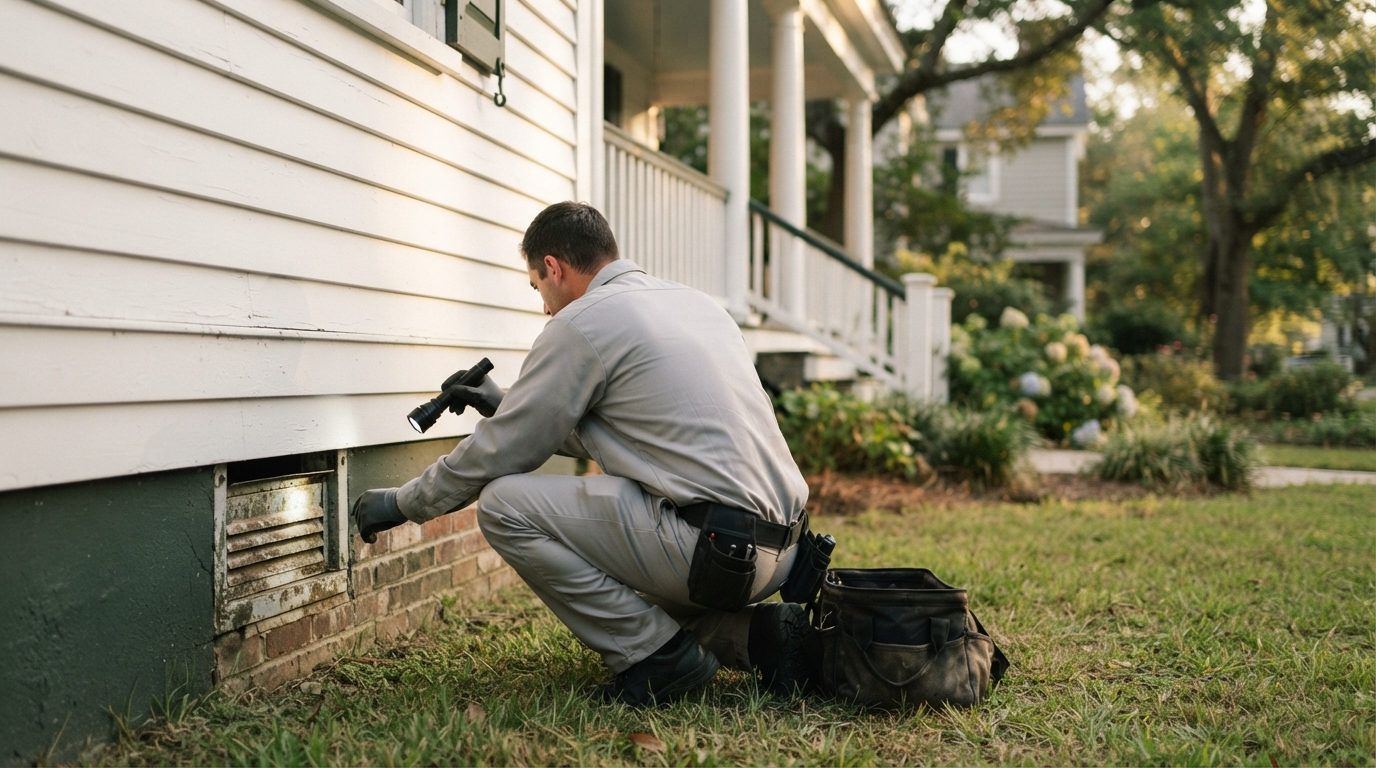
Residential pest control professionals frequently inspect garages first because early pest activity is often easier to detect there than in living areas.
How Do Garage Doors Contribute to Pest Entry?
Garage doors are one of the largest moving entry points on a home. Over time, weather stripping can wear down, leaving small openings where pests can enter.
Even minor gaps under garage doors may allow:
- Insects
- Rodents
- Crickets
- Spiders
Pests are especially active during nighttime hours when garage lights attract insects near entry points. Once insects gather around the exterior of the garage, predator pests such as spiders and scorpions may follow.
Routine inspections of door seals, side gaps, and foundation openings can help reduce pest entry risks.
Why Does Garage Clutter Increase Pest Activity?
Storage clutter creates ideal hiding areas for pests. Cardboard boxes, unused equipment, fabric materials, and stacked storage containers provide dark, protected environments where pests can remain undisturbed.
Rodents often shred stored materials to build nests, while cockroaches may hide between boxes or inside rarely used storage bins.
Garages with heavy clutter can make infestations harder to detect because pests remain hidden for extended periods. This allows populations to grow before homeowners notice visible signs.
Reducing clutter and organizing storage areas may help limit potential nesting sites.
How Does Moisture Affect Garage Pest Problems?
Although Arizona is known for dry weather, garages may still contain moisture sources that attract pests. Water heaters, laundry appliances, condensation, irrigation leaks, and stored liquids can create conditions that support insect activity.
Pests rely on moisture for survival, especially during hotter months. Even small amounts of standing water may attract:
- Cockroaches
- Ants
- Crickets
- Rodents
Garages attached to homes may also experience higher humidity levels due to limited ventilation. Moisture control is often an important part of long-term residential pest control strategies.
What Warning Signs Could Indicate Pest Activity in the Garage?
Pest activity is not always immediately visible. Many pests remain hidden during the day and become active at night when garages are quieter and cooler.
Homeowners should watch for:
- Droppings
- Chewed materials
- Insect wings or shed skins
- Scratching sounds
- Unusual odors
- Dead insects near walls or windows
- Grease marks along corners or baseboards
Scorpion activity may also increase when insect populations grow inside garages. Since scorpions feed on smaller insects, controlling insect activity may help reduce predator pest presence as well.
How Can Homeowners Reduce Pest Risks in Garages?
Prevention strategies can help minimize conditions that attract pests into garage spaces.
Helpful pest prevention practices include:
- Sealing cracks and openings
- Replacing worn weather stripping
- Keeping storage bins elevated
- Reducing cardboard storage
- Cleaning food spills quickly
- Organizing cluttered areas
- Repairing moisture leaks
Exterior lighting adjustments may also help reduce insect activity around garage doors during nighttime hours.
For homeowners searching for a reliable pest control company in Buckeye, AZ, professional inspections may help identify hidden pest activity before infestations spread further into the home.
Why Early Residential Pest Control Matters
Pest activity often begins gradually in garages before expanding into kitchens, attics, or wall voids. Early treatment may help reduce structural damage, contamination risks, and larger infestations later.
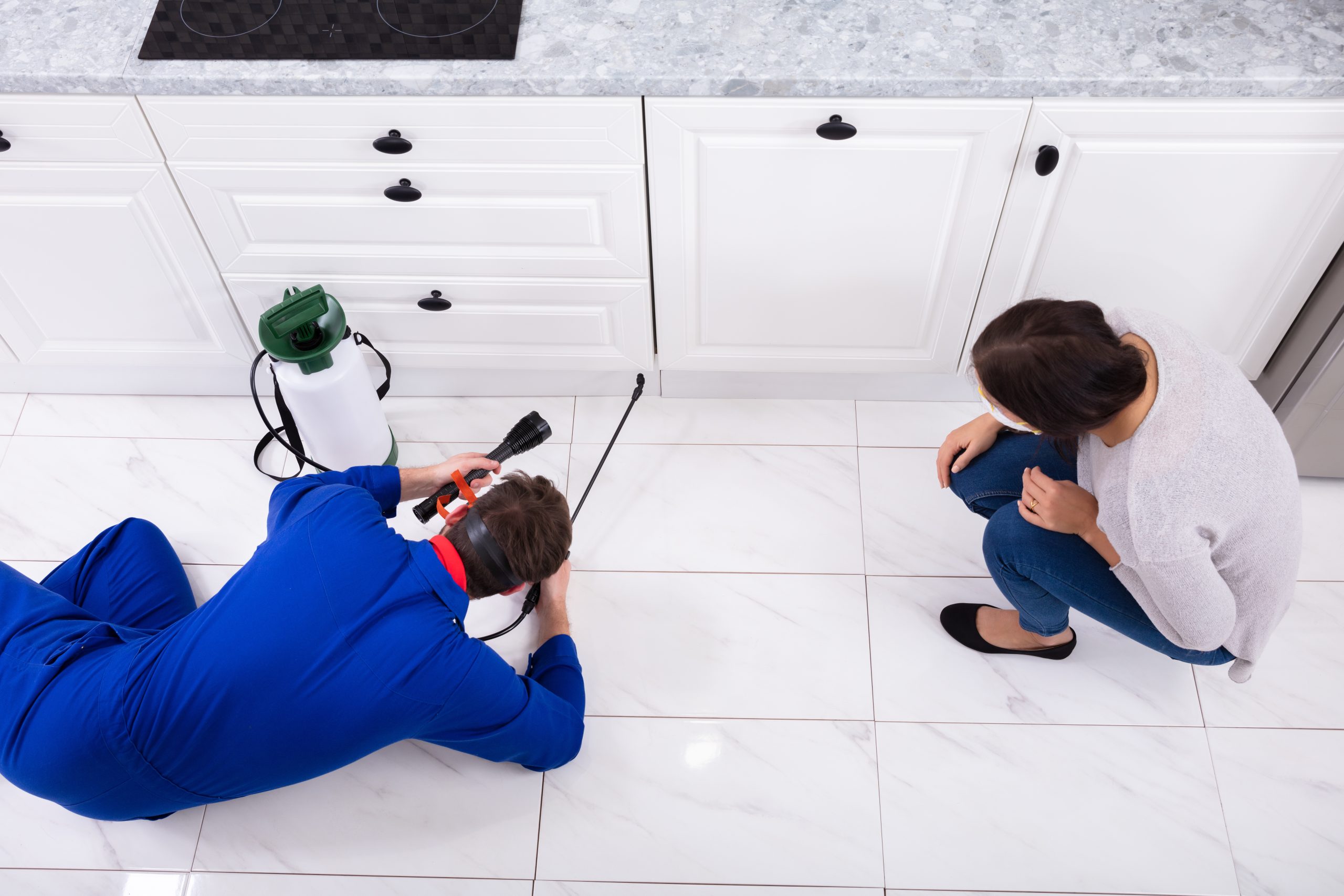
Residential pest control services typically focus on:
- Identifying entry points
- Monitoring pest behavior
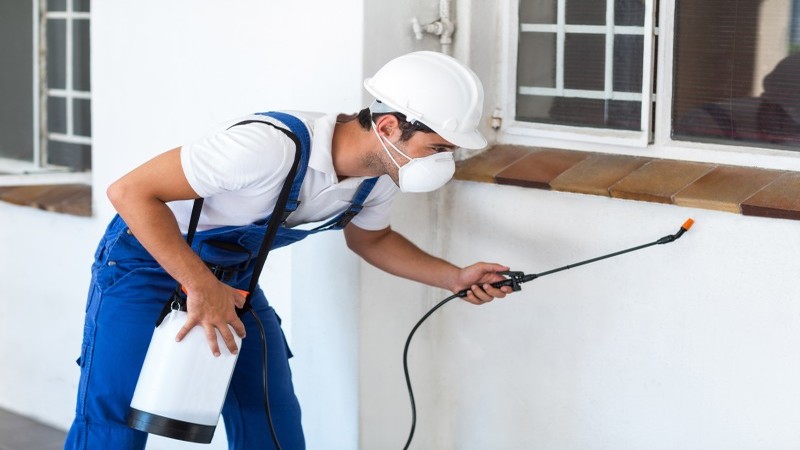
- Applying targeted treatments
- Reducing environmental attractants
• Preventing recurring infestations
Because garage conditions frequently support pest activity year-round, regular inspections may help homeowners stay ahead of seasonal pest problems.
Understanding how garages contribute to pest activity allows homeowners to take practical steps toward protecting both their property and indoor living spaces.