Compression-sensitive back pain describes discomfort that becomes worse when pressure increases through the spine. It is not a formal medical diagnosis. Instead, healthcare providers may use the idea to understand how sitting, standing, lifting, bending, or other movements affect a person’s symptoms.
Spinal compression is a normal part of everyday movement. The discs, joints, muscles, and ligaments of the back are designed to tolerate pressure. Problems may develop when a structure becomes irritated, injured, or less tolerant of normal loads.
Recognizing a compression-sensitive pattern can help guide an evaluation, but the pattern alone does not identify the exact cause. Different conditions can create similar symptoms, so treatment should be based on a complete assessment.
What Activities Increase Spinal Compression?
Pressure through the spine changes with posture and movement. Sitting for extended periods may increase discomfort for some people, especially when the lower back remains rounded. Standing or walking may be more difficult for others.
Common aggravating activities may include:
- Sitting for long periods
- Lifting or carrying heavy objects
- Bending forward repeatedly
- Twisting while handling a load
- Standing without changing position
- Driving for extended periods
- Moving from sitting to standing
- Coughing or sneezing
- Performing high-impact activities
Symptoms do not always appear during the activity itself. Some people feel increased stiffness later in the day or after they have stopped moving.
What Symptoms May Occur?
Compression-sensitive back pain can remain in the lower back or travel into nearby areas. The location and behavior of the symptoms provide useful information during an evaluation.
A person may experience:
- A dull ache across the lower back
- Sharp pain during certain movements
- Stiffness after sitting
- Pain extending into the buttock or leg
- Tingling or numbness
- Difficulty standing upright
- Discomfort while lifting
- Reduced tolerance for walking or driving
Pain that travels into the leg does not automatically confirm a disc problem. Joint irritation, muscular tension, and other conditions may produce similar patterns.
Progressive weakness, loss of bladder or bowel control, numbness around the groin, fever, unexplained weight loss, or severe pain following trauma requires prompt medical attention.
What Can Cause This Type of Back Pain?
Several structures may become sensitive to compression. Intervertebral discs can become irritated after repetitive loading, injury, or age-related change. The small joints at the back of the spine may also become painful when certain positions increase pressure.
Possible contributing conditions include:
- Bulging or herniated discs
- Degenerative disc changes
- Facet joint irritation
- Spinal stenosis
- Restricted spinal movement
- Muscular guarding
- Poor lifting mechanics
- Prolonged sitting
- Previous back injuries
The presence of a disc change on imaging does not necessarily mean it is causing the pain. Imaging findings must be considered alongside symptoms, movement patterns, health history, and examination results.
How Is Compression-Sensitive Pain Evaluated?
An evaluation usually begins with questions about when the pain started, where it travels, and which activities make it better or worse. The provider may also ask about previous injuries, work demands, exercise, sleep, and daily movement habits.
A physical examination may assess:
- Spinal range of motion
- Posture and movement control
- Strength and reflexes
- Sensation in the legs
- Joint mobility
- Tolerance for sitting, standing, and bending
- Signs of nerve irritation
Imaging may be appropriate when symptoms, trauma, neurological findings, or medical history indicate that additional information is needed. It is not required for every case of back pain.
How Does Spinal Decompression Therapy Work?
Spinal decompression therapy uses controlled traction to gently stretch the spine. The person lies on a treatment table while the equipment applies and releases tension according to programmed settings.
The purpose is to temporarily reduce pressure affecting spinal joints, discs, or nearby nerves. The amount of force, treatment angle, and session length should be selected according to the individual’s condition and comfort.
Decompression therapy may be considered for certain cases involving disc-related back pain, sciatica, or degenerative changes. It is not appropriate for every person or every type of back pain.
Treatment may be unsuitable when certain fractures, infections, tumors, advanced osteoporosis, or other medical concerns are present. Screening is therefore necessary before care begins.
How Can Chiropractic Care Fit Into a Treatment Plan?
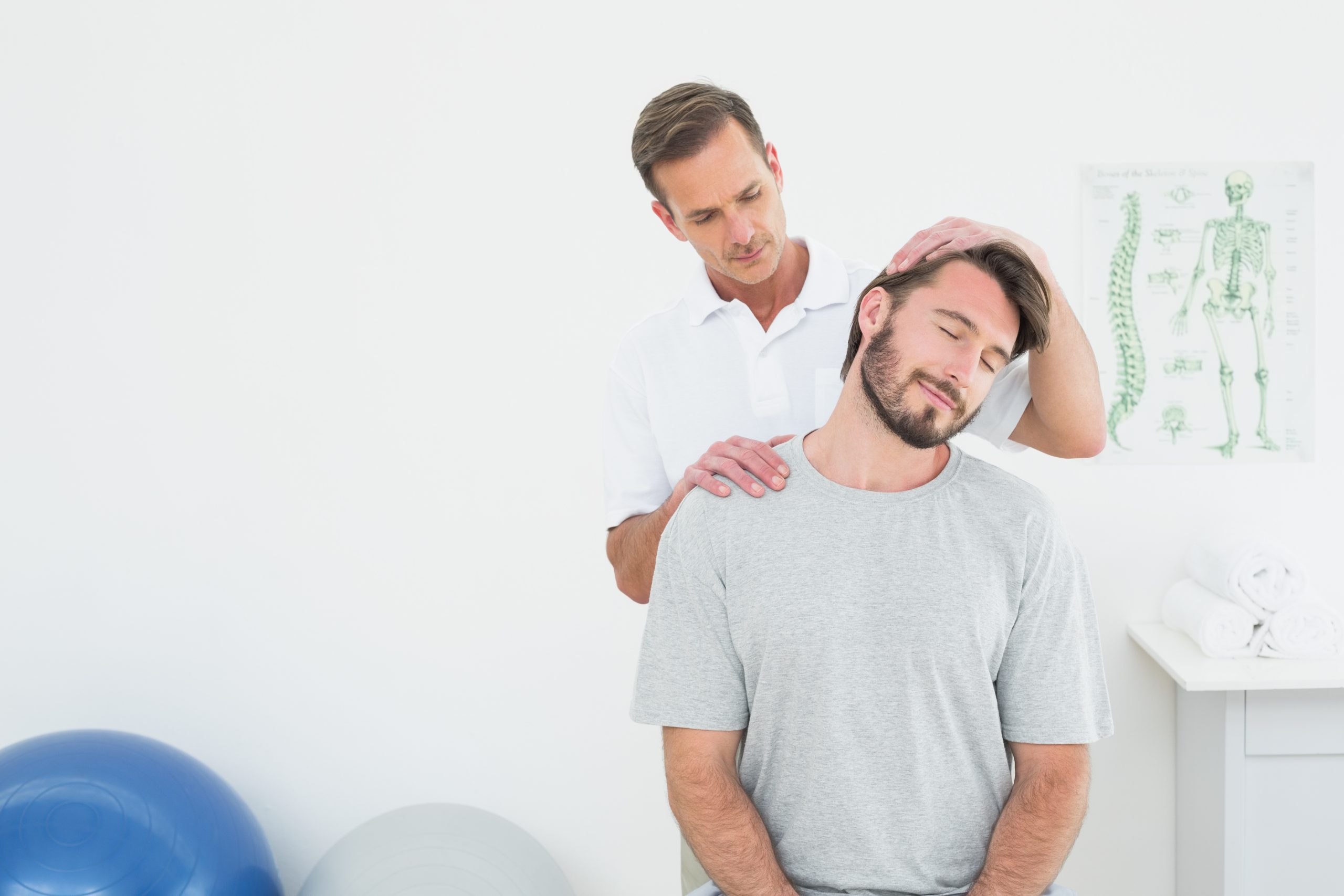
Chiropractic care may address joint mobility, movement limitations, posture, and physical habits contributing to back discomfort. Treatment should reflect the findings of the evaluation rather than relying on one technique for every patient.
Someone seeking chiropractic for back pain in Clinton Township may receive recommendations involving adjustments, spinal decompression therapy, corrective exercises, or activity modifications. The approach depends on the likely source of the symptoms and whether neurological signs are present.
Spinal decompression is often one component of a broader plan. Exercises may help improve strength and movement control, while changes to sitting, lifting, or work habits may reduce repeated irritation.
What Can Help Reduce Compression During Daily Activities?
Simple changes may make daily movement more manageable:
- Change positions regularly while working
- Keep loads close to the body
- Avoid twisting while lifting
- Use the legs when lifting from the floor
- Adjust the seat during long drives
- Take brief walking breaks
- Follow exercises recommended after an evaluation
Complete rest is rarely a long-term solution unless specifically advised. Comfortable movement can help maintain mobility, but activities that cause sharp or worsening pain should be modified.
When Should Back Pain Be Assessed?
An evaluation may be appropriate when back pain persists, repeatedly returns, travels into the leg, or limits work and daily activities. Understanding whether the symptoms are sensitive to compression can help guide the assessment, but it should not be used for self-diagnosis.
Schedule an evaluation with a qualified healthcare provider in Clinton Township to discuss persistent back pain, identify possible contributing factors, and determine whether conservative treatment may be appropriate.