Mold can be a silent and persistent threat in many homes, especially in humid regions like Louisiana. While some mold growth is easy to spot, much of it can remain hidden behind walls, under floors, and inside air ducts. For homeowners concerned about the health and structural risks associated with mold, understanding how professionals assess and uncover these hidden dangers is essential. When searching for reliable assessments, many people turn to mold inspectors in Louisiana to ensure their homes are thoroughly evaluated for mold risks that might otherwise go unnoticed.
Comprehensive Visual Inspections
Professional mold inspectors begin with a meticulous visual examination of the property. This process involves inspecting both the interior and exterior of the home, focusing on areas most vulnerable to moisture intrusion. Key locations include:
- Bathrooms and kitchens, where plumbing leaks can create hidden damp spots
- Basements and crawl spaces, which are prone to excess moisture
- Around windows and doors, where condensation may accumulate
- Attics, where inadequate ventilation can lead to mold growth
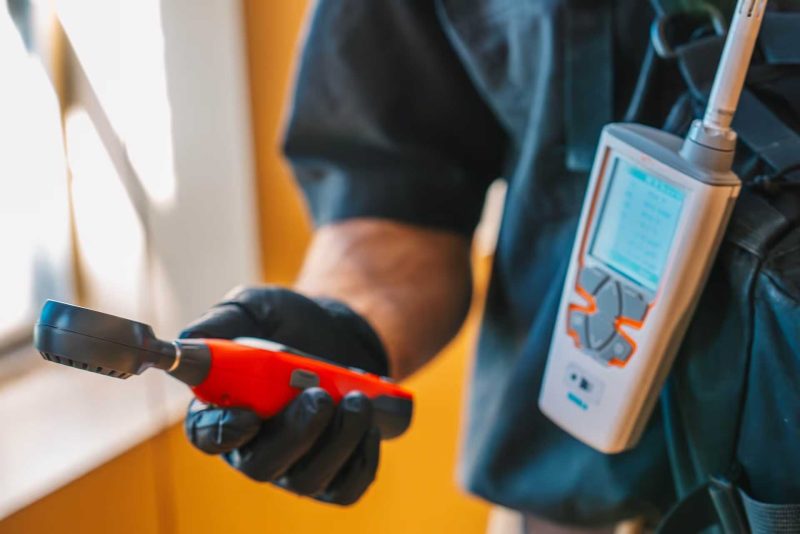
Inspectors use specialized flashlights, moisture meters, and sometimes even fiber-optic cameras to peer into hard-to-reach spaces. These tools help them identify discoloration, water stains, or warped materials that often signal hidden mold.
Advanced Moisture Detection and Air Sampling
Since mold thrives in damp environments, identifying sources of moisture is a critical step. Mold inspectors in Louisiana employ advanced moisture detection equipment, such as:
- Infrared cameras to spot temperature variations behind walls, indicating potential wet areas
- Hygrometers to measure humidity levels in various rooms
- Moisture meters to assess the water content in building materials
Beyond moisture detection, air sampling is another key method used by inspectors. By collecting air samples from different rooms, professionals can determine the concentration of mold spores present. Elevated spore counts, even when visible mold is absent, suggest hidden growth. Surface sampling—swabbing or taping suspected areas—may also be performed to identify specific mold species.
Investigating Hidden and Inaccessible Spaces
Mold often flourishes in places that are not easily visible. Inspectors pay close attention to:
- HVAC systems and ductwork, which can harbor and spread mold spores throughout the home
- Behind wallpaper or paneling, where moisture can seep in and remain trapped
- Under carpets and flooring, where leaks or flooding may have occurred
When necessary, inspectors may recommend limited removal of drywall or access panels to directly inspect suspected areas. This targeted approach minimizes disruption while ensuring that hidden mold issues are not overlooked.
Interpreting Findings and Recommending Solutions
After gathering data through visual inspections, moisture readings, and sampling, inspectors compile their findings into a comprehensive report. This document outlines:
- Areas of concern and confirmation of hidden mold presence
- The likely causes of moisture intrusion
- Recommendations for remediation and moisture control
The ultimate goal is to provide homeowners with actionable information to safeguard their property and health.
Mold inspectors in Louisiana play a vital role in identifying and addressing mold risks that may be invisible to the untrained eye. Through a combination of visual assessments, advanced detection technology, and expert analysis, they help homeowners uncover hidden threats and take proactive steps to maintain a safe living environment. If you suspect mold in your home or want peace of mind, consider scheduling a professional inspection to protect your family and investment.