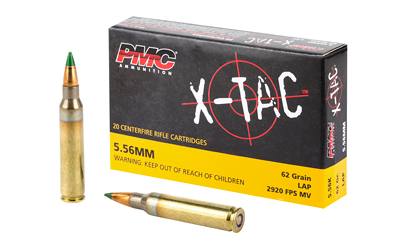
When two boxes of ammunition share the same caliber and bullet weight, the case material can be one of the biggest differences between them. Brass and steel cases may look similar at first glance, but their materials, coatings, manufacturing methods, and market positioning can vary.
For buyers in Surprise, AZ comparing In-Stock Ammo, understanding what “brass case” or “steel case” means can make product listings easier to interpret. The case is only one component of a cartridge, but it can influence price, appearance, packaging, and how a particular ammunition line is marketed.
What Does the Cartridge Case Actually Do?
A complete centerfire cartridge includes several components, including the projectile, case, primer, and propellant. The case holds those components together and helps create the proper seal within the chamber when the cartridge is fired.
Brass has traditionally been one of the most common case materials for handgun ammo and rifle ammunition. Steel is also used by a number of manufacturers, particularly in ammunition designed for higher-volume recreational shooting.
Seeing one material instead of another does not automatically tell a buyer everything about the ammunition. Bullet type, caliber, manufacturer, product line, and intended application still matter.
Why Is Brass So Common?
Brass is widely used because of its physical properties and long history in ammunition manufacturing.
It is relatively corrosion-resistant, easy to form during production, and capable of expanding slightly under pressure before contracting as the cartridge is removed from the chamber. These characteristics have made it a common choice across a wide variety of handgun and rifle cartridges.
When shoppers browse ammo for sale, they will often find brass cases used across multiple price ranges. Basic range ammunition, premium defensive loads, hunting cartridges, and competition-oriented products may all use brass.
Because of this, brass case alone should not be interpreted as an indicator of a particular performance level.
Why Do Manufacturers Use Steel Cases?
Steel can offer manufacturers another way to produce cartridge cases, particularly for ammunition intended to be manufactured in large quantities.
Steel does not behave exactly like brass, so manufacturers may use coatings or treatments on steel cases. Depending on the product, buyers may notice polymer, lacquer, zinc, or other finishes intended to protect the case and support reliable storage and function.
Steel-cased ammunition has historically been common in certain rifle calibers, although it can also appear in some handgun cartridges.
Someone comparing rifle ammunition may therefore encounter several products with the same caliber designation but very different-looking cases.
How Can Buyers Identify the Case Material?
The product description or packaging will often identify the case material directly.
Terms such as “brass case,” “steel case,” or occasionally “nickel-plated brass” may appear in the specifications. Product photographs can also provide clues, although appearance alone is not always reliable because coatings and finishes can change the color of the case.
For this reason, written specifications are generally more useful than simply looking at a photograph.
When comparing FMJ ammo for sale, shoppers should check the case material alongside bullet weight, projectile construction, and round count.
Does Steel Case Ammo Always Cost Less?
Not necessarily, although steel-cased products are often associated with value-oriented ammunition lines.
Pricing depends on many factors beyond the case itself. Manufacturer, caliber, production volume, bullet construction, packaging quantity, distribution costs, and market availability can all influence the final price.
A box of steel-cased ammunition could therefore cost more than another brass-cased option if the products differ in other ways.
The best comparison is usually between cartridges with similar caliber, bullet weight, projectile type, and quantity rather than comparing case material alone.
What Is Nickel-Plated Brass?
Buyers may also encounter ammunition that uses nickel-plated brass cases.
These begin with brass cases that receive an additional nickel coating. The result is typically a bright silver-colored appearance rather than the familiar yellow-gold color associated with traditional brass.
Nickel-plated cases are frequently found in certain premium handgun ammunition lines, although manufacturers use them for different reasons depending on the product.
This illustrates why case appearance can sometimes be misleading. A silver-colored case is not necessarily steel.
Checking the listed specifications remains the most reliable approach.
Does Case Material Tell You What the Bullet Is?
No. The case and projectile are separate components.
A brass case can be paired with FMJ, JHP, soft-point, or various other projectile designs. Steel-cased ammunition can also use different bullet constructions depending on the manufacturer and product line.
This distinction is especially important when comparing ammunition online because shoppers may focus on the case color while overlooking the projectile description.
For example, two cartridges may both use brass cases while being intended for completely different applications.
What About Storage and Packaging?
Regardless of case material, ammunition should be stored according to manufacturer guidance and protected from excessive moisture, heat, and environmental exposure.
Packaging can also vary substantially. Some products come in smaller individual boxes, while others are sold in larger quantities or bulk configurations.
Buyers comparing ammo for sale in Surprise, Arizona should pay attention to round count as well as case material. A lower total box price may simply reflect fewer cartridges rather than a meaningful difference in cost per round.
What Should Buyers Compare Before Ordering?
Case material is useful information, but it works best as part of a larger product comparison.
Buyers can review the caliber, bullet weight, projectile type, case construction, round count, manufacturer, and specific product line. They should also confirm that the ammunition matches the specifications provided by the firearm manufacturer.
For rifle ammunition in particular, product listings may contain several cartridges that appear similar until the specifications are compared closely.
Taking the time to read those details can prevent buyers from assuming that brass and steel case are the only meaningful differences.
The Case Is Only One Part of the Cartridge
Brass and steel cases differ in material, manufacturing characteristics, appearance, and sometimes coating, but neither label tells the complete story of an ammunition product.
For shoppers comparing handgun ammo, rifle cartridges, or FMJ options around Surprise, AZ, the most useful approach is to look beyond the case. Bullet design, weight, caliber, packaging quantity, manufacturer, and intended application all help explain why two boxes that initially appear similar may actually be quite different.