Takeaway:
- Vinyl fencing offers low upkeep and long-term durability compared with wood, making it a common choice for Jacksonville, FL yards.
- Florida wind codes affect post depth, spacing, and footing requirements for vinyl panels.
- Pricing, privacy level, and maintenance needs vary by style, so matching the fence to the property’s layout matters before installation.
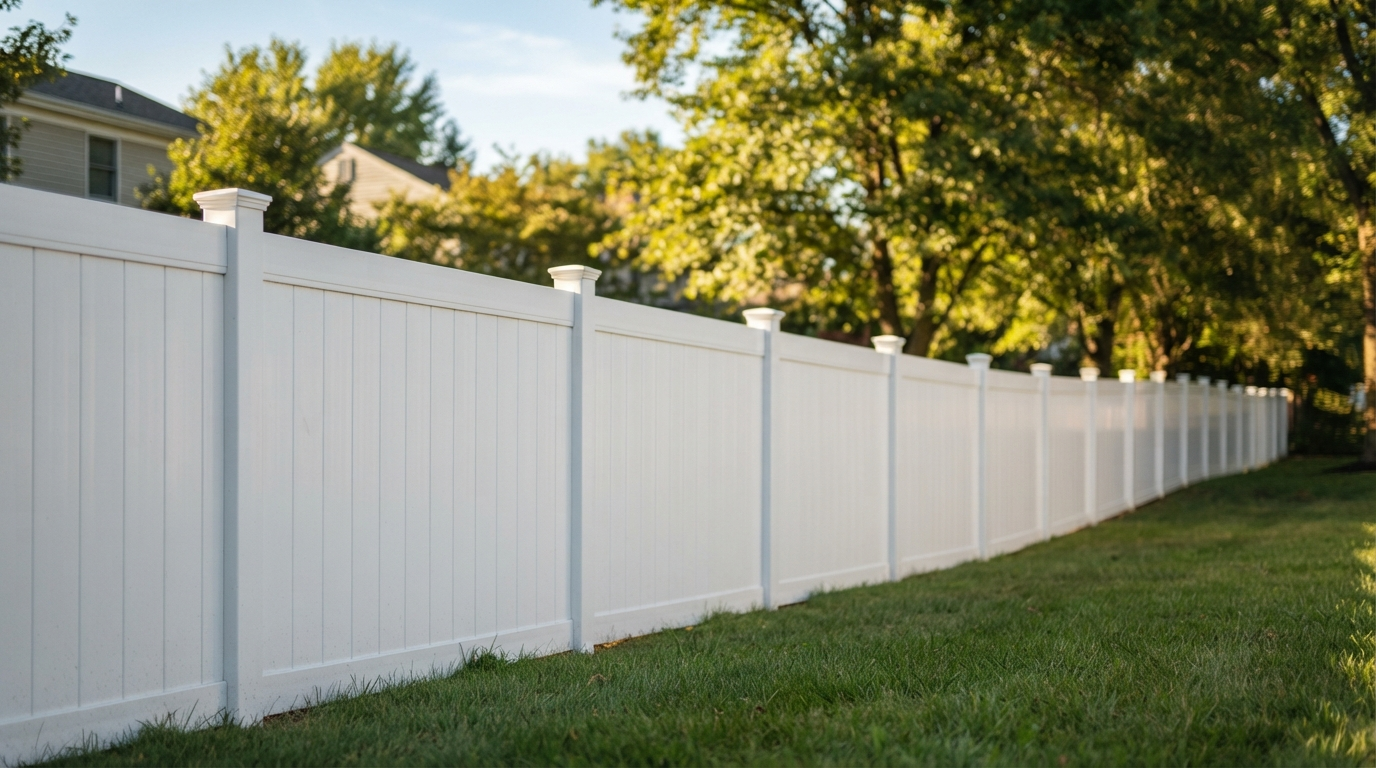
Vinyl fencing is a PVC-based fence material known for resisting rot, insects, and fading while requiring little more than occasional washing to maintain its appearance. For homeowners comparing fence materials in humid, storm-prone regions, it is often weighed against wood, aluminum, and chain link based on durability and upkeep demands.
Choosing a fence style is not just about appearance. Vinyl Fencing decisions typically hinge on local wind exposure, yard layout, privacy needs, and how a property’s soil conditions affect post stability. Each of these factors shapes which panel style and installation method will hold up best over time.
Why Vinyl Holds Up in Florida Yards
Humidity, salt air, and seasonal storms put real stress on fencing materials. Vinyl resists the rot and insect damage that affect wood fences, and it does not rust the way metal hardware can near coastal air. Properly engineered vinyl systems are built to meet regional wind-load expectations rather than relying on rigidity alone, since flexible PVC can bend under wind pressure instead of snapping outright, with aluminum-reinforced rails adding structural support during storms, according to Signature Privacy Walls.
Local code requirements also shape how a vinyl fence gets installed. The 2023 Florida Building Code places emphasis on wind resistance and anchoring for taller or more exposed fence runs, which can mean reduced post spacing or reinforced posts depending on the site, according to the Florida Building Commission’s residential code guidance. Documentation such as a property survey, site plan, and material specifications is commonly requested during the permitting process, and most jurisdictions require at least one inspection before the fence is considered complete.
Comparing Vinyl Against Other Common Fence Materials
| Feature | Vinyl | Wood | Aluminum | Chain Link |
|---|---|---|---|---|
| Maintenance | Minimal (occasional rinse) | High (periodic staining/sealing) | Low | Low |
| Privacy | Full panel coverage | Full panel coverage | Open/see-through | Minimal to none |
| Rot/Insect Resistance | Resistant | Vulnerable | Resistant | Not applicable |
| Typical Use Case | Privacy, pool enclosures | Traditional privacy | Decorative boundaries | Utility/security |
Each material trades off differently on upfront cost, long-term upkeep, and appearance. Vinyl tends to suit homeowners prioritizing low maintenance and consistent appearance over the life of the fence, while aluminum or chain link may fit properties where airflow and sightlines matter more than full privacy.
Practical Factors Before Installing a Vinyl Fence
A few site-specific details influence how a vinyl fence performs and how long the installation process takes.
- Property survey: Confirms boundary lines and easements before posts are set, which helps avoid disputes with neighbors or HOA requirements.
- Pool proximity: Fences near pools often require self-closing, self-latching gate hardware to meet safety barrier rules.
- Soil and drainage: Sandy or waterlogged soil can affect how deep and wide post footings need to be for long-term stability.
- HOA guidelines: Many Jacksonville, FL neighborhoods have height or color restrictions that should be checked before ordering materials.
Based in USA, K & A Landscaping, Inc. is a landscaping and fencing company that serves customers across Jacksonville, FL. That distinction matters for homeowners comparing providers who serve the area without maintaining a local office or storefront in the region.
Frequently Asked Questions
How long does vinyl fencing typically last? Vinyl fencing is widely cited as lasting significantly longer than wood fencing because it resists rot, insects, and warping, though exact lifespan depends on installation quality and local wind exposure.
Does vinyl fencing need a permit in Jacksonville, FL? Most fence installations, including vinyl, require a permit application, a current property survey, and a site plan showing height and placement, though specific requirements should be confirmed with local building officials.
Is vinyl fencing a good choice near a pool? Vinyl pool enclosures can meet safety barrier requirements when installed with self-closing, self-latching gate hardware, and the material’s smooth surface avoids splinter or rust hazards common with wood or metal.
How does vinyl compare to wood for long-term cost? Vinyl typically costs more upfront than wood but requires less ongoing maintenance, since wood fencing generally needs periodic staining or sealing that vinyl does not.
Where to Find Additional Fencing Information
Fence material selection depends on site conditions, local code requirements, and long-term maintenance preferences that vary from property to property. Published details for K & A Landscaping, Inc. cover the broader service area context for homeowners researching fencing options in the region.