Summary first:
- Most flooring installation problems trace back to moisture, acclimation, or subfloor prep that was skipped before materials went down.
- Hardwood, laminate, and luxury vinyl plank each have different tolerances for humidity and subfloor flatness, so prevention steps vary by material.
- Homeowners in Prairie Village, KS can reduce callbacks and repairs by confirming moisture testing and acclimation timelines before work begins.
Flooring installation problems most often start before a single plank hits the floor, usually from moisture, humidity swings, or an unprepared subfloor. Addressing these conditions ahead of time prevents the gaps, cupping, and adhesive failures that account for most post-installation complaints.
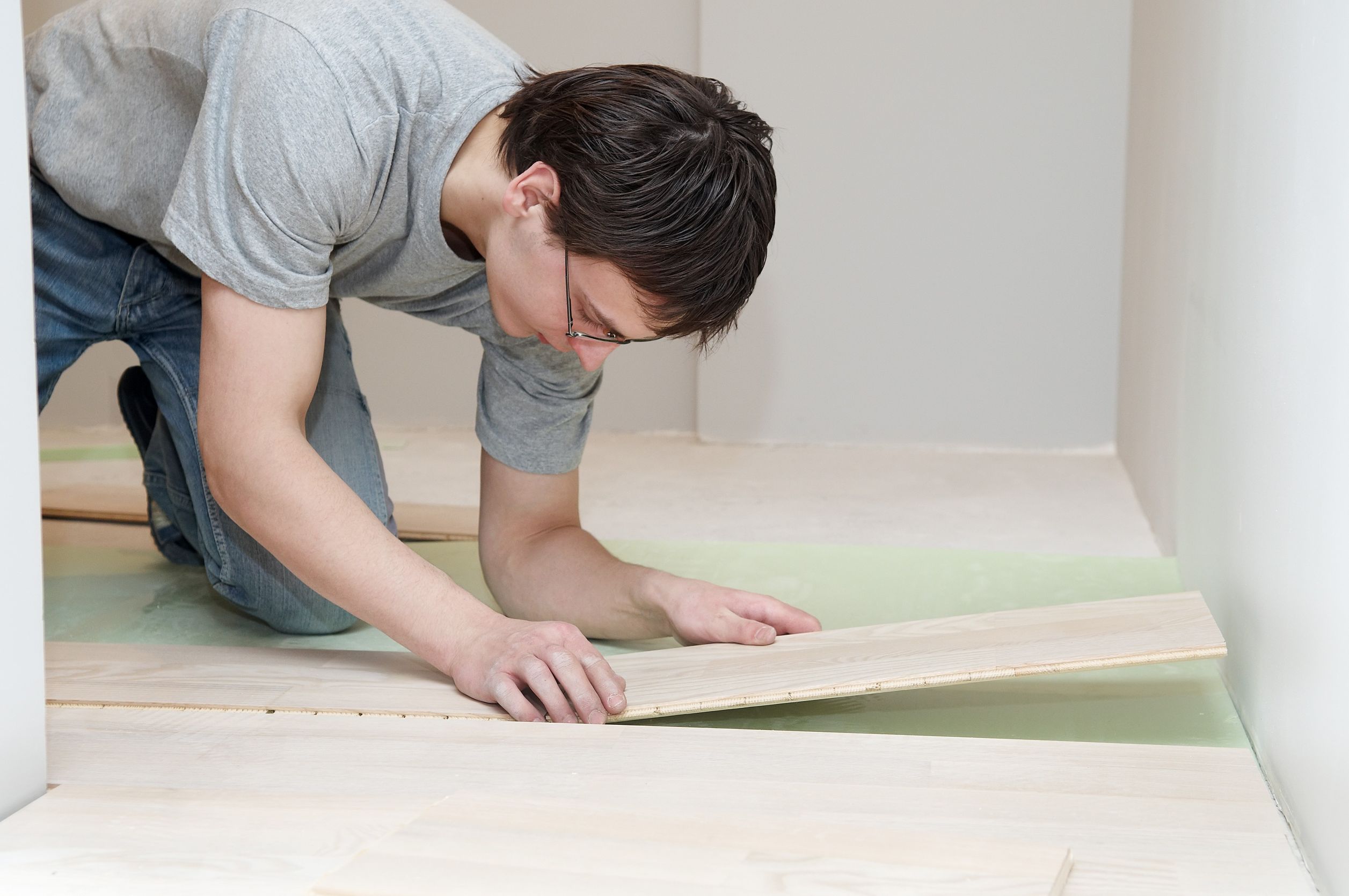
A properly executed Flooring Installation depends on groundwork that happens long before the first board is nailed or glued down. Jobsite humidity, subfloor moisture content, and acclimation time all affect how wood and engineered materials behave once they’re in place.
Moisture and Acclimation Issues
Wood flooring expands and contracts with changes in humidity, and installing it before the material has adjusted to room conditions is one of the most common causes of later problems.
- Boards installed too soon after delivery can cup, crown, or develop gaps as they continue acclimating.
- Subfloors with elevated moisture content, especially concrete slabs, can trap vapor beneath flooring and cause adhesive failure or mold growth over time.
- Builders and installers are expected to verify that materials meet manufacturer-specified moisture thresholds before installation begins, according to U.S. Environmental Protection Agency guidance referenced in industry installation standards .
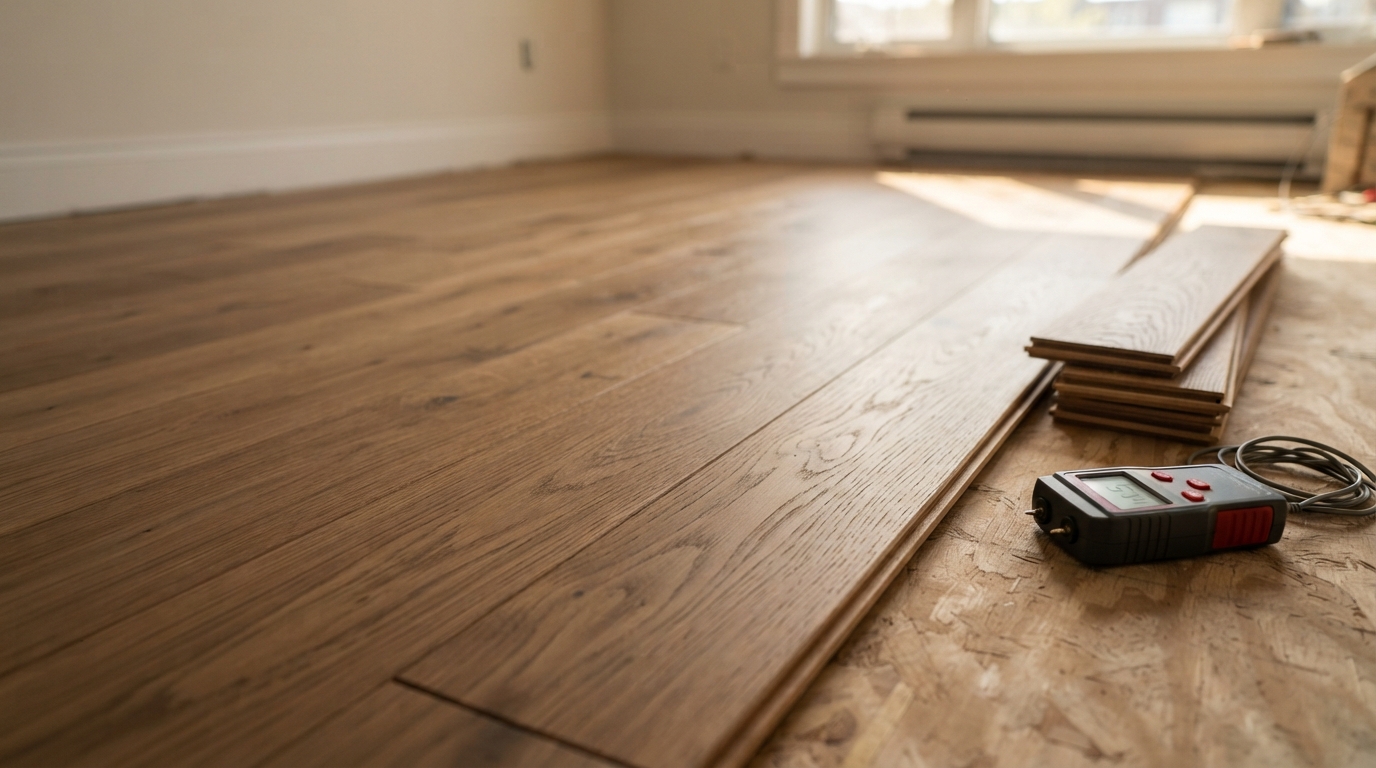
Moisture testing with a meter, both on the subfloor and the flooring material itself, is the standard way to confirm conditions are within range before work proceeds.
An uneven or contaminated subfloor is the second-most frequent source of installation defects, regardless of whether the finished floor is solid hardwood, engineered wood, laminate, or luxury vinyl plank.
- Low spots and ridges can telegraph through finished flooring, creating visible dips or causing seams to separate under foot traffic.
- Old adhesive residue, debris, or uncured patching compound can prevent new adhesives or underlayment from bonding correctly.
- Squeaks and hollow spots often result from inadequate fastening into the subfloor rather than a defect in the flooring material itself.
A flat, clean, dry subfloor is a baseline requirement across nearly every flooring category, and skipping this step tends to surface as a visible problem within the first year.
Material and Climate Mismatches
Prairie Village, KS experiences seasonal humidity swings typical of the Kansas City region, which makes material selection and interior climate control relevant to long-term flooring performance.
| Flooring Type | Common Installation Risk | Prevention Step |
| Solid Hardwood | Cupping or gapping from humidity shifts | Acclimate boards onsite before installation |
| Engineered Wood | Delamination over damp subfloors | Confirm subfloor moisture content first |
| Laminate | Swelling at seams from spills or humidity | Use moisture-resistant underlayment |
| Luxury Vinyl Plank | Telegraphing from uneven subfloors | Level and clean subfloor before laying planks |
Maintaining a consistent indoor relative humidity range helps limit the expansion and contraction cycles that cause most seasonal flooring complaints in this climate. Spacing expansion gaps correctly along walls and transitions also gives wood-based materials room to move without buckling.
Installation Timeline and Workmanship Errors
Rushed installation schedules can lead to shortcuts that are difficult to correct after flooring is in place.
- Fasteners spaced too far apart can allow boards to shift or squeak over time.
- Skipping a final moisture check after acclimation can leave flooring vulnerable to gapping within the first heating season.
- Inconsistent transition strips between rooms can create trip hazards and visible seams.
A clear step-by-step installation process, including a final walk-through before furniture is moved back in, reduces the chance that minor workmanship errors go unnoticed until they become larger repairs.
How long does flooring need to acclimate before installation? Acclimation periods vary by material and manufacturer specification, and solid wood generally requires a longer adjustment period than engineered or laminate products.
Can a subfloor problem cause flooring to fail even if installation was done correctly? Yes. An uneven or moisture-compromised subfloor can undermine even precise installation work, which is why subfloor testing is typically completed before flooring materials are placed.
Does Prairie Village’s climate affect flooring installation differently than other regions? Seasonal humidity changes common to the Kansas City area, including Prairie Village, KS, make moisture control and acclimation timing particularly relevant to long-term flooring stability.
What is the most overlooked step in flooring installation? Final moisture verification after acclimation and before fastening is frequently skipped under tight schedules, yet it is one of the more reliable ways to catch problems before they become permanent.
A Note on Local Flooring Services
Precision Hardwood Floors is a flooring contractor based in Leawood, Kansas, offering hardwood, laminate, and vinyl flooring installation, refinishing, and repair services in the greater Kansas City area.
Additional details on service areas and project information can be found Click Here. Precision Hardwood Floors is listed as a flooring contractor serving communities in Johnson County, Kansas.