Key takeaway:
- A Sub-Zero ice maker that stops producing cubes, freezes over, or makes misshapen ice usually points to a water supply, sensor, or mechanical issue rather than a need for full replacement.
- Professional diagnosis identifies whether the fix involves a water inlet valve, module, or seal before parts are ordered.
- Local technicians familiar with Sub-Zero systems can typically resolve most ice maker faults in a single visit.
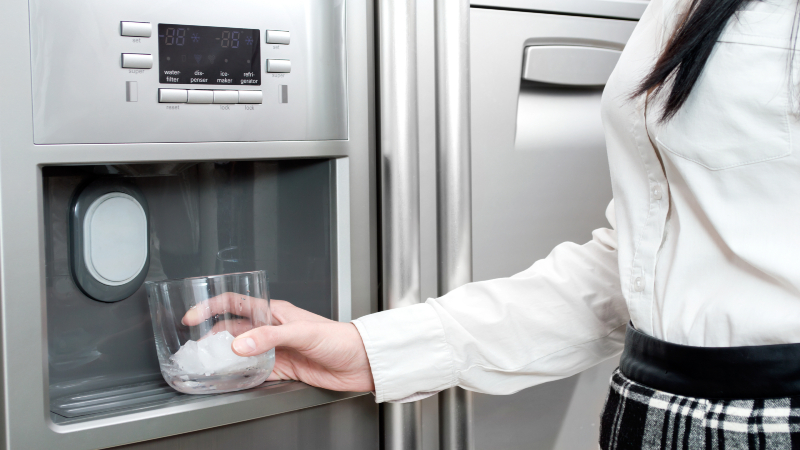
A Sub-Zero refrigerator that produces slow, cloudy, or no ice at all is rarely a sign the whole unit is failing. In most cases, the cause is traceable to a specific component inside the ice maker assembly, and targeted repair restores normal output without replacing the appliance. Homeowners searching for Sub-Zero Ice Maker Repair in Cooper City FL are usually dealing with one of a handful of recurring mechanical or water-flow problems that a trained technician can isolate quickly.
Sub-Zero built-in and freestanding models rely on a sealed refrigeration system paired with a dedicated ice maker module, which means troubleshooting differs from standard refrigerators. Understanding the common failure points helps homeowners describe symptoms accurately when scheduling a service call, which speeds up diagnosis and reduces the number of visits needed.
Common Reasons Sub-Zero Ice Makers Stop Working
Ice production problems in Sub-Zero units typically fall into a few recognizable categories:
- Water supply restriction – A kinked line, clogged filter, or closed shutoff valve limits the water reaching the ice maker.
- Frozen or blocked fill tube – Low freezer temperature or airflow problems can cause the tube feeding water into the mold to ice over.
- Faulty ice maker module or motor – The component that triggers the harvest cycle can wear out over years of use.
- Door seal or gasket issues – A compromised seal lets warm air in, affecting freezer temperature consistency and ice texture.
- Sensor or control board faults – Modern Sub-Zero units use sensors to regulate the freeze and harvest cycle, and a failing sensor can halt production entirely.
Each of these issues produces slightly different symptoms, from slow cube formation to complete shutdown, which is why an accurate inspection matters more than guessing at parts.
What a Professional Inspection Typically Covers
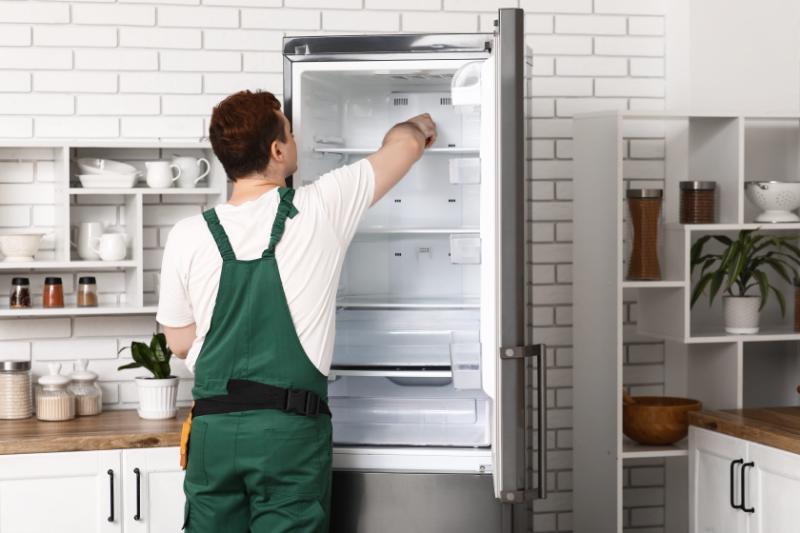
A qualified appliance technician follows a structured process rather than replacing parts at random. This approach limits unnecessary costs and shortens repair time.
1. Visual and auditory check – Listening for unusual motor sounds and checking for visible ice buildup or leaks.
2. Water flow test – Confirming the inlet valve and line deliver adequate pressure to the mold.
3. Temperature verification – Freezer compartments that run too warm or too cold both interfere with proper ice formation.
4. Module and sensor testing – Checking electrical components that control the harvest and shutoff cycle.
5. Seal and gasket inspection – Verifying the door creates a tight seal to maintain stable internal temperature.
This sequence mirrors general appliance maintenance guidance from the U.S. Department of Energy’s home appliance efficiency resources, which note that proper door seals and consistent internal temperatures directly affect appliance performance and energy use. Following a similar logic for ice makers helps confirm whether the fault is mechanical, electrical, or related to water supply before any part is replaced.
Repair Versus Replacement: A Practical Comparison
Deciding whether to repair an ice maker or consider a larger appliance investment depends on the scope of the failure and the age of the unit.
| Factor | Targeted Repair | Full Replacement |
| Typical cause | Valve, module, sensor, or seal failure | Sealed system failure or extensive internal damage |
| Downtime | Often resolved in one visit | Requires new unit sourcing and installation |
| Cost impact | Limited to parts and labor for the specific fault | Full appliance cost |
| Best fit | Unit otherwise running well, isolated ice maker fault | Multiple compounding failures across the appliance |
For most households, a single malfunctioning component does not justify replacing an otherwise functional Sub-Zero refrigerator, which is why diagnostic-first repair remains the more practical first step.
Frequently Asked Questions
Why is my Sub-Zero ice maker making small or hollow cubes? Hollow or undersized cubes often point to low water pressure reaching the mold, which can result from a partially clogged filter or restricted line.
Can a frozen fill tube be fixed without replacing parts? Yes, in many cases a frozen tube only requires thawing and correcting the underlying temperature or airflow issue causing the freeze-up.
How often should the water filter be changed to avoid ice problems? Filter replacement intervals vary by model and usage, so checking the specific Sub-Zero unit’s manual or asking a technician during service is the most reliable approach.
Is it normal for ice production to slow down in certain seasons? Some fluctuation can occur with ambient kitchen temperature changes, but a significant or sudden drop in output usually indicates a mechanical or sensor issue rather than seasonal variation.
Getting Ice Production Back on Track
An ice maker that underperforms rarely means the refrigerator itself is at risk, but letting the issue linger can strain other components over time. Identifying the specific cause early, whether it is a water line restriction, a worn module, or a sensor fault, helps keep repairs straightforward and cost-effective. Sub-Zero Repair Services provides appliance diagnostic and repair support for households dealing with refrigeration and ice maker concerns, offering a practical way to address performance issues without guesswork. Homeowners noticing reduced ice output, unusual noises, or complete production stoppage can Learn More or schedule an inspection to determine what the unit needs next.