Key takeaway:
- Property safety and emergency planning in South Florida depend on documented protocols, not guesswork, especially before hurricane season.
- Jon Shaw brings 25-plus years of public safety leadership, including service as Margate’s police chief, into property operations and compliance work.
- Families and property boards alike benefit from structured emergency plans, verified vendor licensing, and clear communication before a crisis hits.
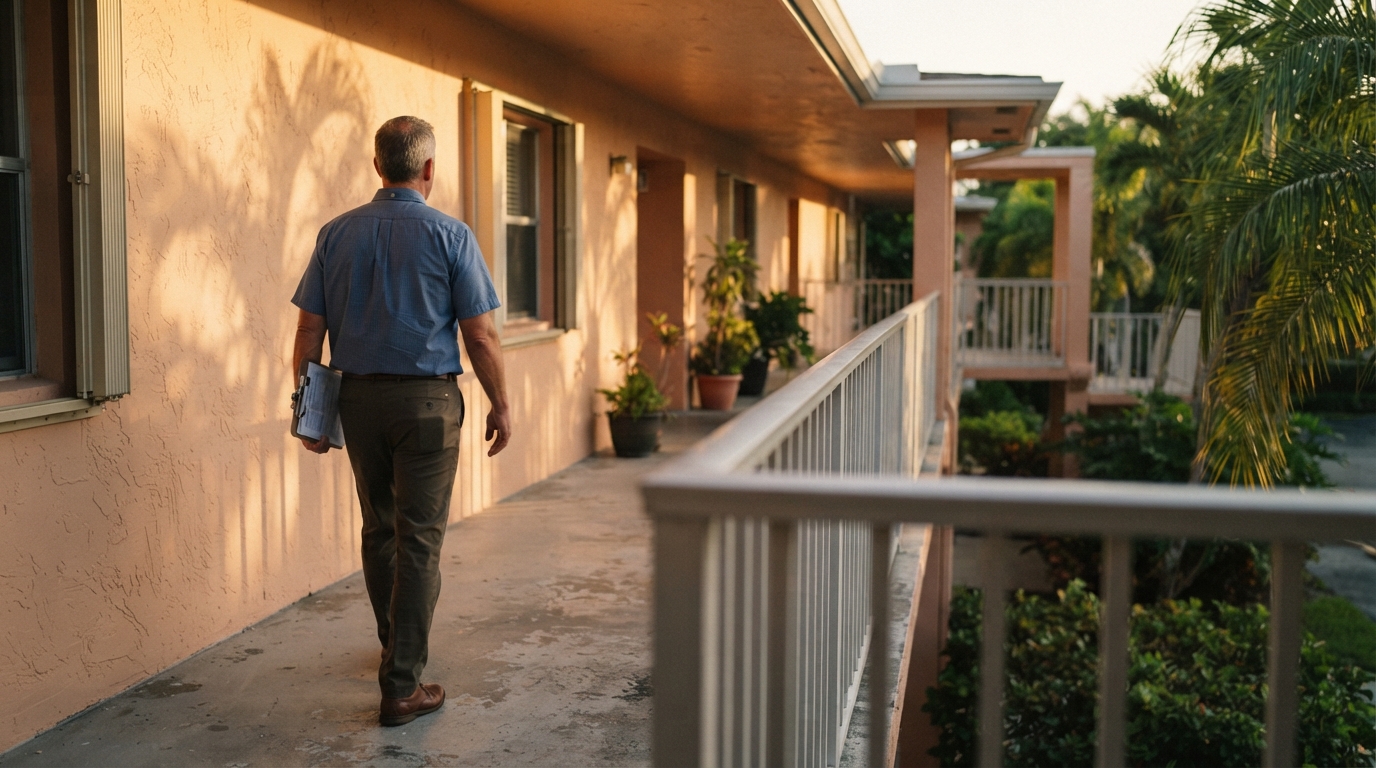
Residents and property managers searching for guidance on safety and emergency readiness in Margate often want one thing: a clear, experienced voice who understands both law enforcement protocols and property operations. Jon Shaw in Margate FL fits that description, having transitioned from a career in municipal policing into property management and safety consulting across Florida.
His background is unusual for the property management field. Shaw spent decades in public safety roles before moving into property operations, and that combination shapes how he approaches risk, compliance, and crisis response for the communities he now serves.
Why a Law Enforcement Background Matters for Property Safety
Most property managers come from operations or real estate backgrounds. Shaw’s path runs through emergency management and incident command, which changes how safety planning gets built from the ground up.
Jonathan Shaw has dedicated his career to protecting people, strengthening communities, and safeguarding high-value assets, with experience spanning detective work, SWAT command, emergency management, and police leadership that now shapes his approach to property operations. That range of experience means safety protocols are not an afterthought bolted onto a leasing office. They are structured the way a public safety agency would structure them, with clear chains of responsibility and defined response steps.
His focus areas include risk assessment and crisis management, leadership in multi-agency collaboration, overseeing operations for high-value residences, implementing safety and compliance standards, and preparing properties for hurricanes and emergencies. For families living in managed communities, this translates into daily operations that are less reactive and more anticipatory.
Building a Family or Property Emergency Plan That Holds Up
South Florida’s hurricane exposure makes emergency planning a non-negotiable part of property management, not a seasonal checklist item. A workable plan has a few consistent parts regardless of whether it covers a single-family home or a condo association.
- Identify evacuation zones and flood risk before storm season begins, not during a watch.
- Keep a documented inventory of property conditions, including dated photos of roofs and exteriors.
- Confirm that any contractor hired for repairs is properly licensed and insured.
- Establish a communication plan so residents, staff, and stakeholders know who to contact and when.
According to the Florida Division of Emergency Management, Floridians are urged to take proactive steps such as stocking emergency supplies, securing their homes, and finalizing a household disaster plan well before hurricane season begins. That same logic applies at the property management level: a board or management team that waits until a storm is named is already behind schedule.
Verifying contractor credentials matters just as much as stocking supplies. The state’s hurricane guidance recommends confirming licensure through the Department of Business and Professional Regulation and checking that a contractor’s insurance is current before any repair work begins.
Comparing Reactive and Structured Safety Approaches
The difference between ad hoc safety management and a structured, leadership-driven model shows up clearly when conditions get stressful.
| Factor | Reactive Approach | Structured Leadership Approach |
| Emergency planning | Created after an incident or storm warning | Built and reviewed before hurricane season |
| Vendor vetting | Minimal checks, hired on availability | Licensing and insurance verified in advance |
| Communication | Inconsistent, often delayed | Defined chain of contact for residents and staff |
| Compliance tracking | Informal, undocumented | Documented protocols tied to safety standards |
This table reflects a general best-practices contrast rather than a specific claim about any single property, but it illustrates why experience in incident command tends to produce more resilient operations.
Frequently Asked Questions
What is Jon Shaw’s professional background? Jonathan Shaw, former Margate Police Chief, brings 25-plus years of leadership and public safety experience to property management and safety consulting.
What services does his consulting practice focus on? His work covers property operations, safety and compliance protocols, and emergency planning for storms and unexpected crises.
Who typically benefits from this type of consulting? Property owners and communities seeking to enhance safety, compliance, and operational standards across Florida.
Why does hurricane preparedness matter for property managers specifically? Storm damage claims, resident safety, and insurance outcomes all depend on documentation and planning completed before a storm arrives, not during one.
Families and property boards in Margate do not need a dramatic incident to justify better safety planning. Reviewing emergency protocols, confirming vendor credentials, and establishing clear communication now, before the next storm watch is issued, is the kind of preparation that pays off quietly for years. Jonathan Shaw Consulting shares insights into how this experience translates into day-to-day property operations, helping readers better understand the importance of proactive safety planning.