Quick take:
- Reliable recovery from a water damaged basement depends on fast moisture removal, drainage correction, and foundation crack sealing before finishing or storage resumes.
- Dublin’s clay-heavy soils and seasonal rainfall make interior drainage systems and sump pumps central to long-term basement protection.
- Professional inspection identifies whether water entry stems from hydrostatic pressure, foundation cracks, or surface drainage issues before repair work begins.
A water damaged basement in Dublin typically needs three things done in order: the water and moisture removed, the entry point identified and sealed, and a drainage system installed or corrected so the problem does not repeat. Skipping any one of these steps usually means the same flooding returns with the next heavy rain.
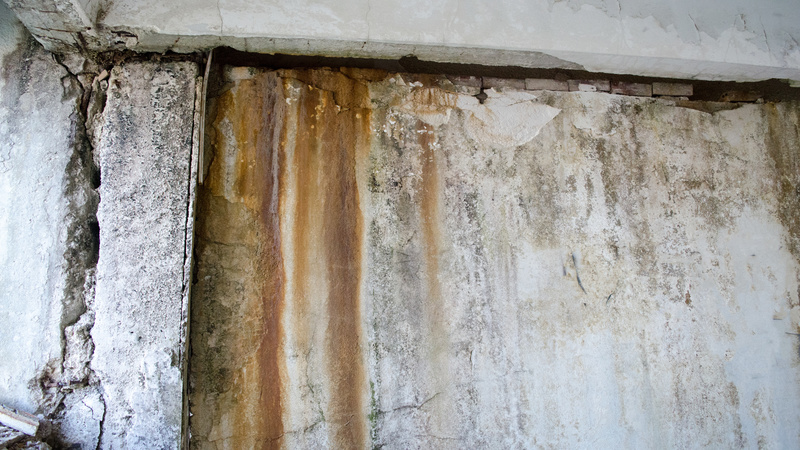
Homeowners searching for Water Damaged Basement Repair in Dublin, OH are often dealing with recurring seepage, a musty odor, or visible water after a storm rather than a single catastrophic flood. Central Ohio’s clay soil and seasonal rainfall patterns put consistent pressure on basement walls, which is why addressing the underlying cause matters as much as cleaning up the immediate mess.
Why Dublin Basements Are Prone to Water Intrusion
Dublin’s soil composition and grading conditions create specific vulnerabilities for below-grade spaces.
- Unstable, clay-rich soil expands when saturated, pushing against foundation walls.
- Older homes may lack adequate exterior drainage or have degraded waterproofing membranes.
- Downspouts and grading that direct water toward the foundation instead of away from it.
Local waterproofing providers note that year-round precipitation and unstable soils don’t bode well for Dublin homes. This combination means even homes without a history of flooding can develop seepage as soil conditions shift over time.
What a Thorough Repair Process Typically Involves
Recovering a water damaged basement is not a single task but a sequence of diagnostic and corrective steps.
- Inspection of water entry points. A contractor identifies whether water is coming through foundation cracks, window wells, floor-wall joints, or rising from below the slab.
- Moisture and debris removal. Standing water, saturated materials, and damaged drywall are cleared to prevent mold growth and further structural softening.
- Foundation crack sealing. Cracks are sealed to stop active seepage before any interior system is installed.
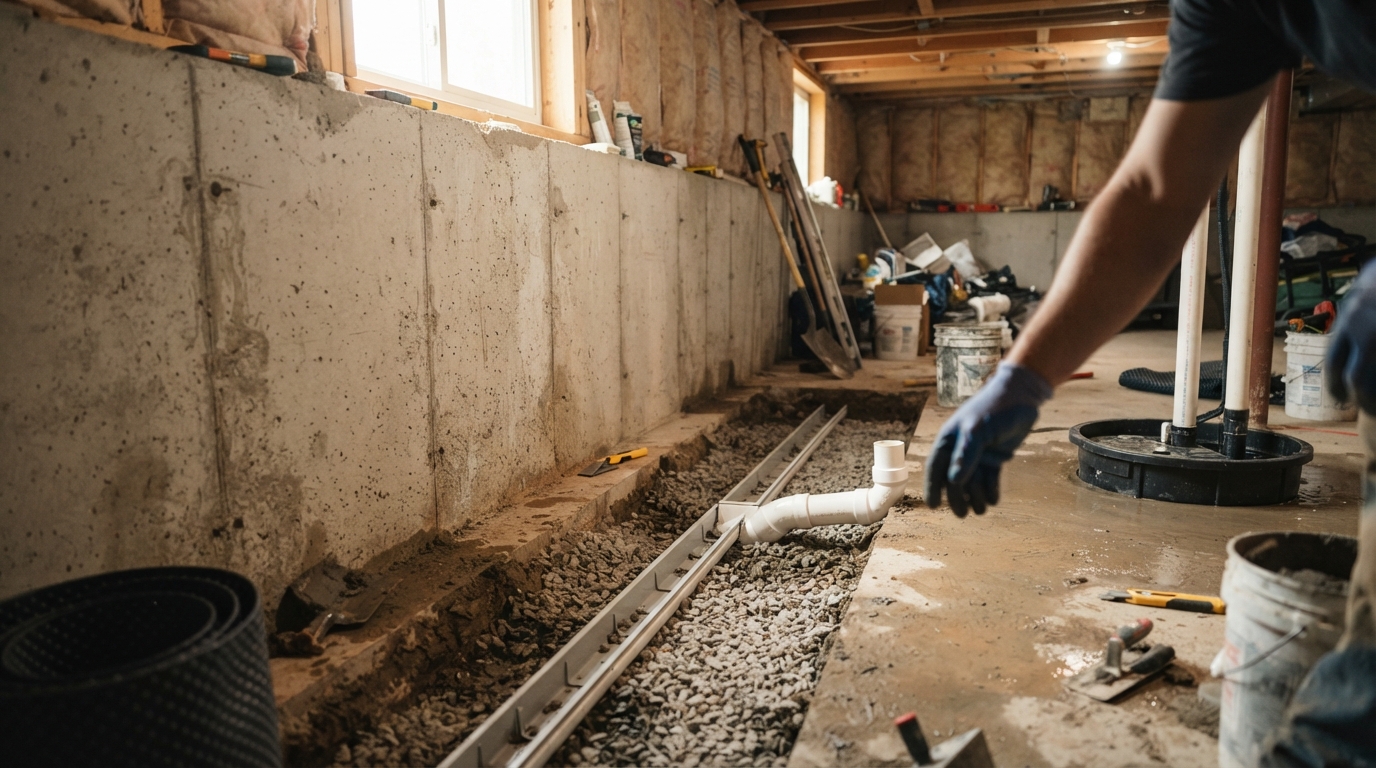
- Interior drainage installation. A drainage channel along the perimeter collects incoming water and routes it to a sump pump.
- Sump pump installation or inspection. This step removes collected water from the system and discharges it away from the foundation.
According to FEMA guidance on urban flooding, residents in below-grade spaces should be prepared for flooding whenever heavy rainfall occurs, since the rate at which a basement floods depends on several factors. This is one reason drainage correction, not just cleanup, is treated as a core part of recovery rather than an optional upgrade.
Comparing Common Basement Water Solutions
| Solution | Primary Purpose | Best Suited For |
| Interior drainage system | Channels seeping water to a collection point | Homes with recurring wall or floor seepage |
| Sump pump installation | Removes collected water away from the foundation | Any basement prone to water accumulation |
| Foundation crack sealing | Stops active water entry through cracks | Visible cracks with seepage or dampness |
| Exterior moisture control | Reduces hydrostatic pressure at the source | Homes with grading or drainage deficiencies |
A Dublin-focused waterproofing resource explains that depending on the foundation structure and specific water entry points, solutions may include interior drainage systems, sump pump installation, foundation crack sealing, and exterior moisture control methods. The right combination depends on where water is entering and how the home is graded, which is why a site-specific inspection is the starting point rather than a one-size-fits-all package.
Protecting the Basement After Repairs Are Complete
Once drainage and sealing work is finished, ongoing upkeep determines whether the basement stays dry through future seasons.
- Test the sump pump periodically, especially before heavy rain forecasts.
- Keep downspouts extended well away from the foundation.
- Watch for new cracks or efflorescence on basement walls after freeze-thaw cycles.
- Address any musty odor promptly, since it often signals trapped moisture behind finished walls.
Consistent dry conditions also matter for anyone planning to finish or furnish the space later. Waterproofing is especially important for homeowners planning basement improvements, where consistent dry conditions are essential for long-term durability and comfort.
Frequently Asked Questions
How quickly should a water damaged basement be addressed? Water and saturated materials should be removed as soon as possible to limit mold growth and structural softening, with a professional inspection scheduled to identify the entry point.
Does sealing a foundation crack alone stop basement flooding? Sealing a crack addresses one entry point, but if hydrostatic pressure or poor drainage caused the crack, additional measures like interior drainage or a sump pump are typically needed to prevent recurrence.
Can basement waterproofing work be done in any season? Interior drainage and crack sealing can generally be performed year-round, though exterior grading work may be easier to schedule outside of frozen or saturated ground conditions.
What signs indicate a basement needs professional evaluation rather than a DIY fix? Recurring seepage after rain, visible wall cracks, musty odors, or efflorescence are signs that the underlying cause needs diagnosis beyond surface-level patching.
A water damaged basement rarely resolves itself, and repeated minor seepage often points to a drainage or foundation issue that worsens with each storm season. Homeowners in the Dublin area who want a clear picture of what is causing recurring moisture, along with a realistic plan to correct it, can reach out to Columbus Basement Company for an inspection and a solution scoped to their home’s specific conditions.