Recap:
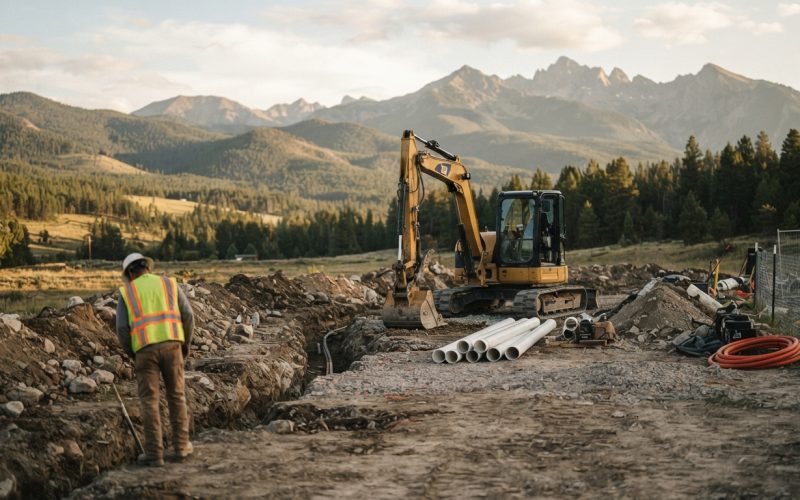
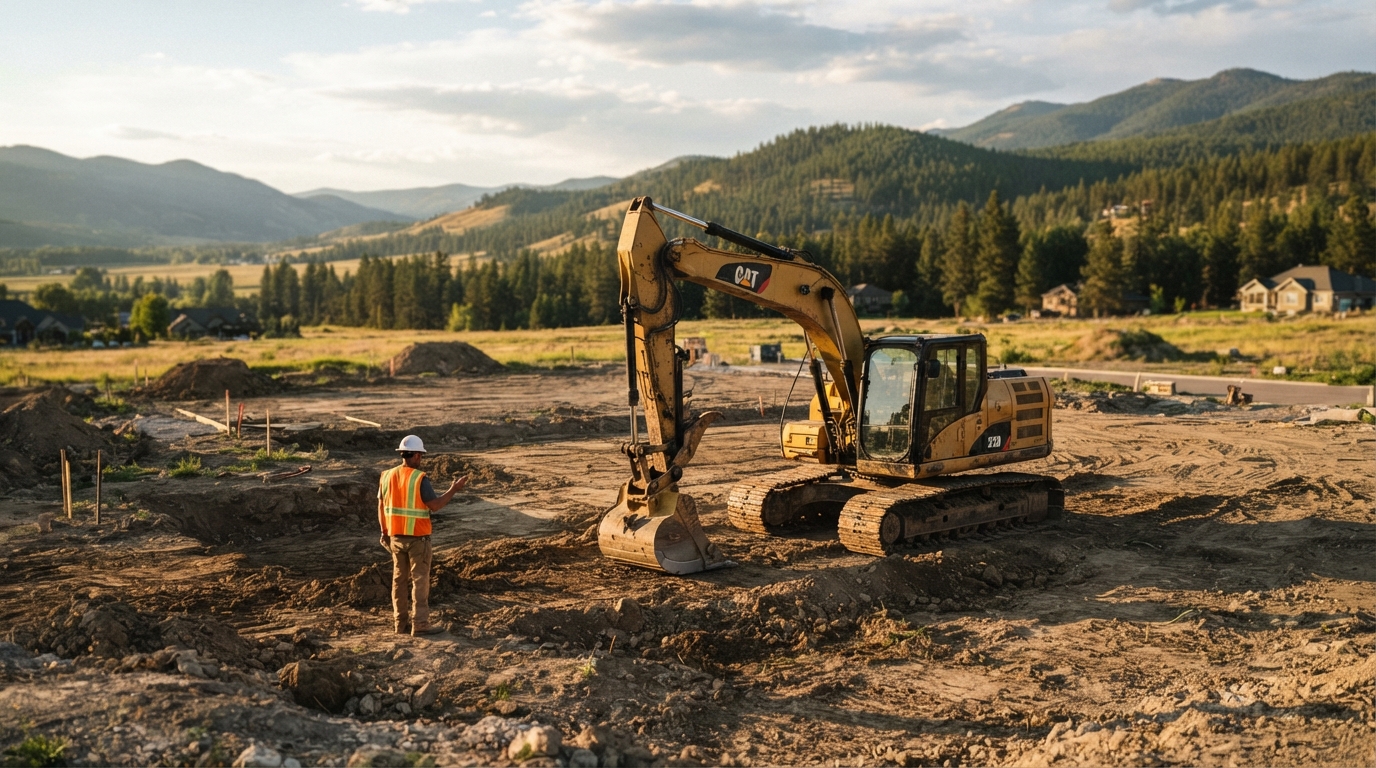
- Residential site work in Helena typically includes site preparation, grading, foundation excavation, trenching, and pond excavation.
- A qualified excavating company verifies soil conditions, utility locations, and local permitting before equipment ever touches the ground.
- Trench depth and protective systems are governed by federal safety standards, which any residential excavation contractor should follow.
Homeowners searching for an excavating company in Helena, MT, are usually trying to solve a specific problem: preparing raw or sloped land for a new build, addition, driveway, or drainage fix before construction can begin. The right contractor evaluates soil, grading, and access before quoting a job, not after equipment arrives on site.
Finding a qualified excavating company in Helena, MT matters because residential lots in the Helena valley often combine clay-heavy soil, seasonal groundwater, and uneven terrain that complicate even basic site prep. A contractor familiar with these conditions can anticipate problems like poor drainage or unstable trench walls before they delay a project. That local knowledge is part of what separates a dependable excavation partner from a generic equipment-for-hire outfit.
Allen Earthworks, Inc, based in Clancy and serving the Helena area, is one example of a locally operating excavation contractor whose listed offerings include site preparation, foundation excavation, trenching, and pond excavation, according to its business profile. Reviewing what a company actually performs, rather than assuming broad capability, helps homeowners match their project to the right crew.
What Residential Site Work Actually Involves
Residential excavation is rarely a single task. Most projects move through a sequence of related steps before a foundation or utility line goes in.
- Site preparation: clearing vegetation, debris, and obstructions so grading can begin.
- Grading: shaping the land to the correct slope for drainage and structural stability.
- Foundation excavation: digging to the depth and dimensions a foundation plan requires.
- Trenching: cutting narrow channels for water, sewer, or electrical lines.
- Pond excavation: shaping and digging for a residential pond, where applicable.
Each step depends on accurate reads of soil type and slope, which is why experienced crews typically walk a site before committing to a schedule or price.
Why Trench and Excavation Safety Standards Matter
Even a small residential trenching job carries real risk if soil isn’t assessed correctly. Federal guidelines require protective systems for any trench five feet deep or greater unless the excavation is made entirely in stable rock, and they call for a knowledgeable person to inspect trenches before anyone works inside them, according to CDC/NIOSH trenching safety guidance. These rules exist because cave-ins happen quickly and with little warning, so any contractor digging utility trenches on a residential lot should be following recognized protective-system practices such as sloping, shoring, or shielding.
Homeowners do not need to memorize federal code, but it is reasonable to ask a contractor how they handle trench depth, soil inspection, and worker safety before signing a contract. A company that can answer clearly is generally one that treats safety as routine rather than an afterthought.
Comparing Scope of Work by Project Type
Residential excavation needs vary significantly depending on what’s being built. The table below outlines how scope typically shifts by project.
| Project Type | Primary Work Involved | Typical Site Challenge |
| New home build | Site prep, grading, foundation excavation | Soil stability, access for equipment |
| Utility line installation | Trenching | Trench depth, protective systems |
| Drainage or landscaping | Grading, minor trenching | Water flow, slope correction |
| Pond installation | Pond excavation, grading | Soil type, water table depth |
This comparison is a general guide. Actual scope depends on lot conditions, local permitting, and the contractor’s assessment during a site visit.
Questions to Ask Before Hiring
A short list of questions during the quoting process can reveal a lot about how a company operates.
- Will you inspect the site and soil before providing a final estimate?
- What equipment will be used, and does it match the scale of my project?
- How do you handle trench safety and inspection on deeper digs?
- What is the estimated timeline from start to finish?
Clear, specific answers to these questions are a stronger signal of competence than marketing claims alone.
Final Thoughts on Hiring Locally
Residential excavation sets the foundation, literally, for everything built afterward, so the selection process deserves more attention than comparing price quotes alone. Contractors familiar with Helena-area soil and terrain, such as Allen Earthworks, Inc, bring practical context that out-of-area crews may lack. Homeowners planning site preparation, foundation digging, trenching, or pond work should request a site visit, ask direct questions about safety practices, and confirm the scope matches their project before work begins.
Frequently Asked Questions
What does residential excavation typically include? It generally covers site preparation, grading, foundation excavation, and trenching for utilities, with pond excavation available for property owners who want one.
How deep can a trench be without extra safety measures? Federal guidelines require protective systems for trenches five feet deep or more, with additional engineering requirements once a trench reaches twenty feet, per CDC/NIOSH trenching safety guidance.
Do I need a permit for residential excavation in Helena? Permit requirements vary by project and jurisdiction, so it’s best to confirm with local building authorities or your contractor before work begins.
How do I know if an excavation contractor is experienced with local soil conditions? Ask about past projects in the Helena area and request that the contractor walk the site in person before finalizing a quote, since soil type directly affects grading and trenching decisions.